Research
15 Million Primary-Age Girls Still Out of School, Says UN Women Report

Published
9 months agoon

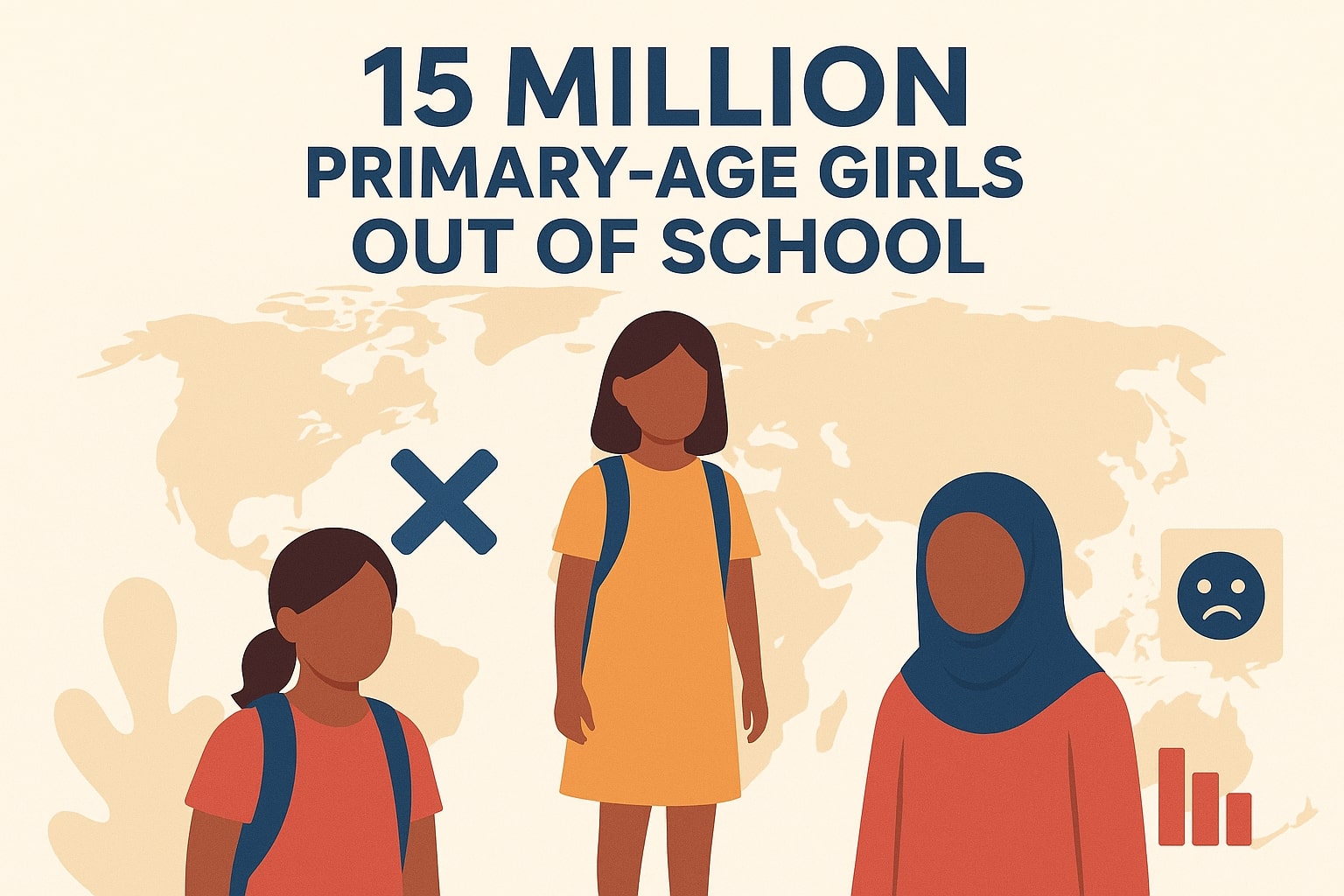
A new UN Women report has revealed that around 15 million primary school–age girls across the globe are not enrolled in school, compared with about 10 million boys of the same age. While global averages suggest progress towards gender parity in education, the report warns that this improvement masks sharp inequalities in certain regions. In some areas, nearly 48.1% of girls remain excluded from primary education.
The report identifies multiple, overlapping barriers that keep girls out of school. Early pregnancies, domestic responsibilities, child marriage, and cultural norms that undervalue girls’ education continue to push young learners out of classrooms. In Afghanistan, for example, 78% of young women are not engaged in education, employment, or training—almost four times the rate of young men. This exclusion also carries significant economic costs, with experts estimating that denying secondary education to Afghan girls could shrink the country’s GDP by 2.5% each year.
Beyond primary education, the picture is even more troubling. UNICEF estimates that 119 million girls worldwide are currently out of school across all education levels, including 34 million in primary school. The UN Women Global Gender Snapshot 2024 notes that since 2015, there has been a reduction of 5.4 million in the number of girls out of school. However, the overall scale of the challenge remains substantial, suggesting that progress is far too slow.
The stakes are high—not only for the girls themselves but for their communities and countries. Education offers girls the tools to break cycles of poverty, improve health outcomes, delay early marriage, and participate more fully in economic and civic life. The benefits extend well beyond individual lives, contributing to stronger economies, healthier societies, and reduced inequality.
The report serves as a call to action, urging governments, NGOs, and communities to look beyond infrastructure and address the deeper structural and cultural factors preventing girls from learning. Achieving true educational equality will require sustained investment, targeted policies, and a global commitment to ensuring that every child—regardless of gender—can access and complete a quality education.

Prachi Sharma is a dynamic journalist and anchor known for her insightful reporting and engaging on-screen presence. With a strong command over storytelling and a flair for content creation, she brings clarity and depth to every piece she presents. Prachi’s versatile skills extend beyond journalism—her ability to craft compelling written content makes her a valuable voice in the media landscape. Whether on camera or behind the scenes, she is committed to delivering impactful narratives that inform, inspire, and connect with audiences.


You may like


फीस पर लगाम, लेकिन लूट को कानूनी जामा – BNMU Internship Scam
NEP 2025: Reforming NEP 2020 for an Inclusive and Future Ready Educational System



The Strategic Decision: No “Summer Break” for Exams
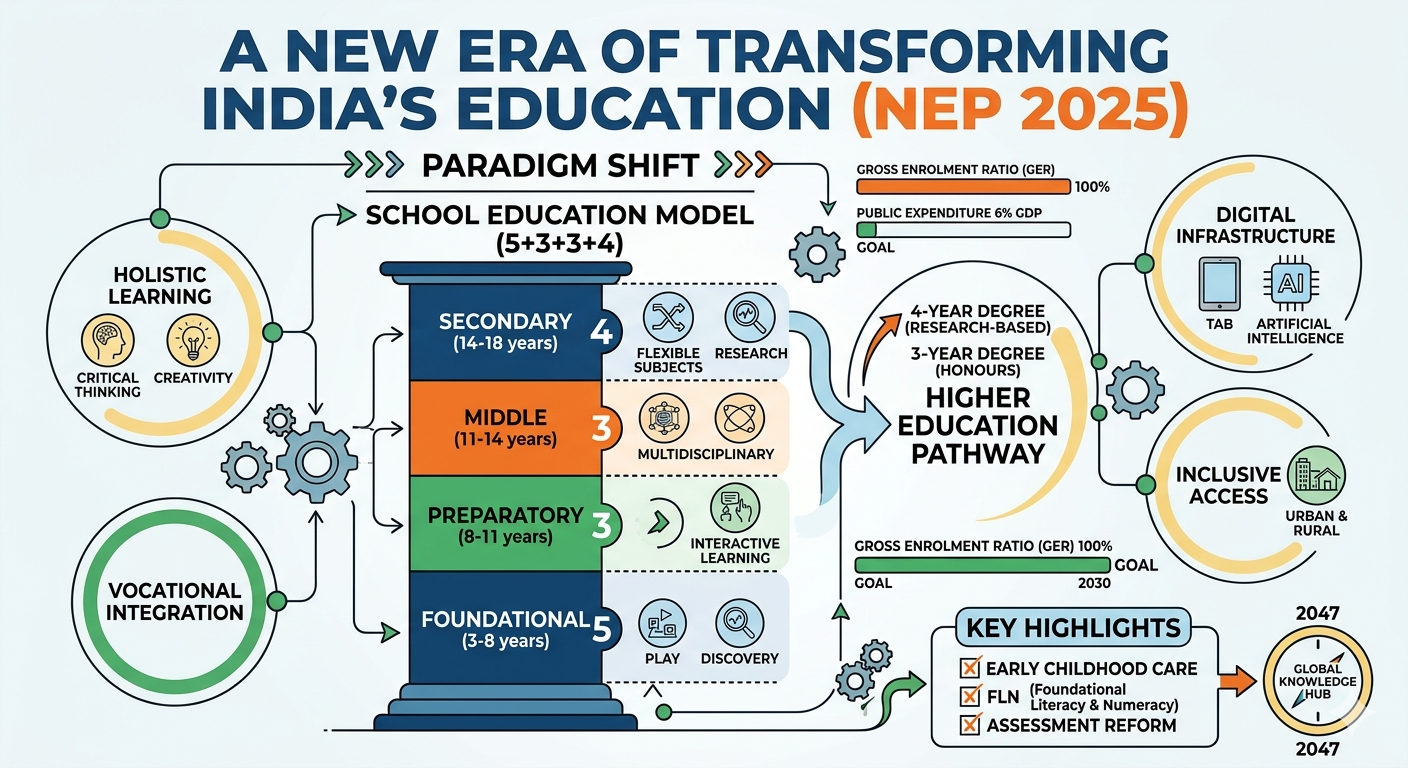
A New Era of Transforming Education: Navigating the Paradigm Shift in India’s Education Policy

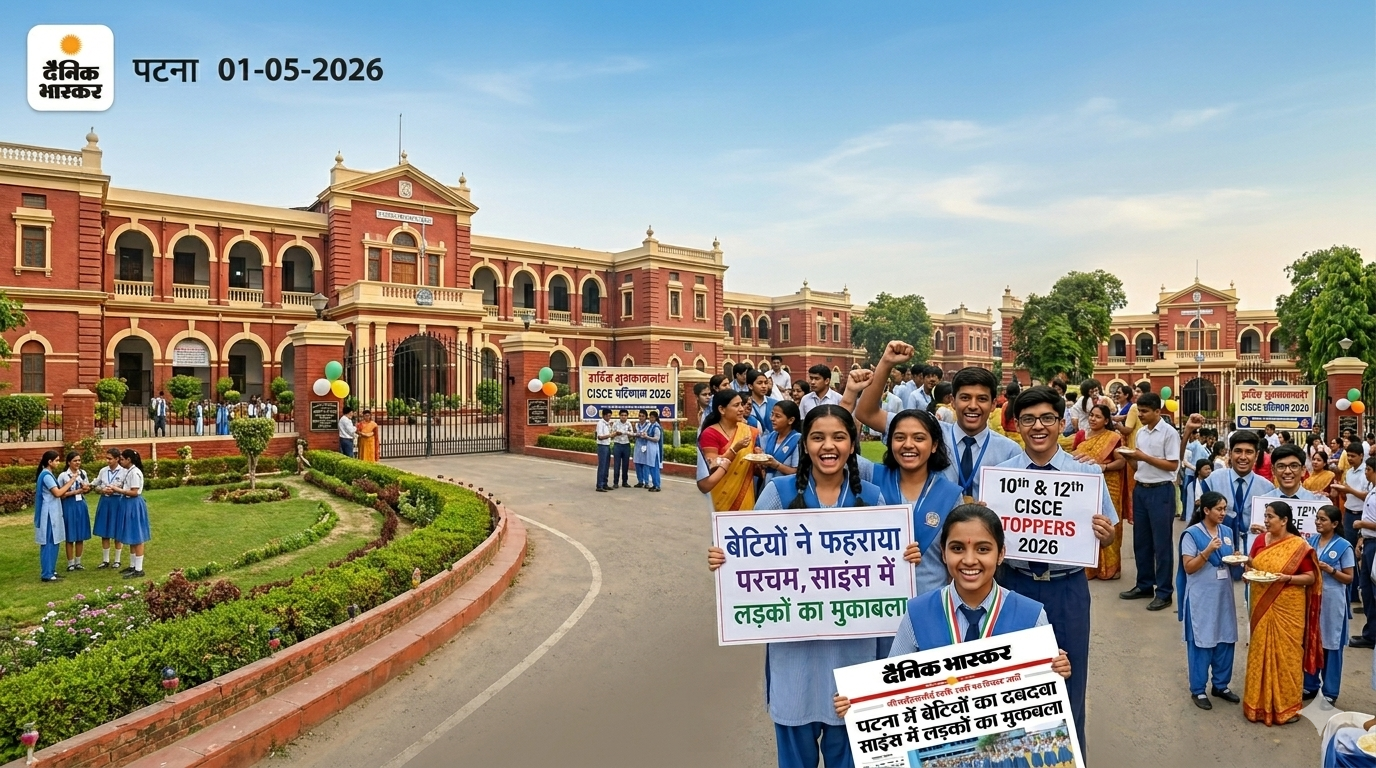
Patna CISCE Results 2026: Girls Sweep Top Honors; Boys Excel in Science



डिजिटल बिहार: अब व्हाट्सएप के जरिए अभिभावकों को मिलेगी बच्चों के पोषण और शिक्षा की जानकारी