Education
Merging Theory with Experience: UGC’s Professor of Practice Initiative Brings Industry Expertise to Indian Universities

Published
12 hours agoon
Authored by Trainee: Adarsh
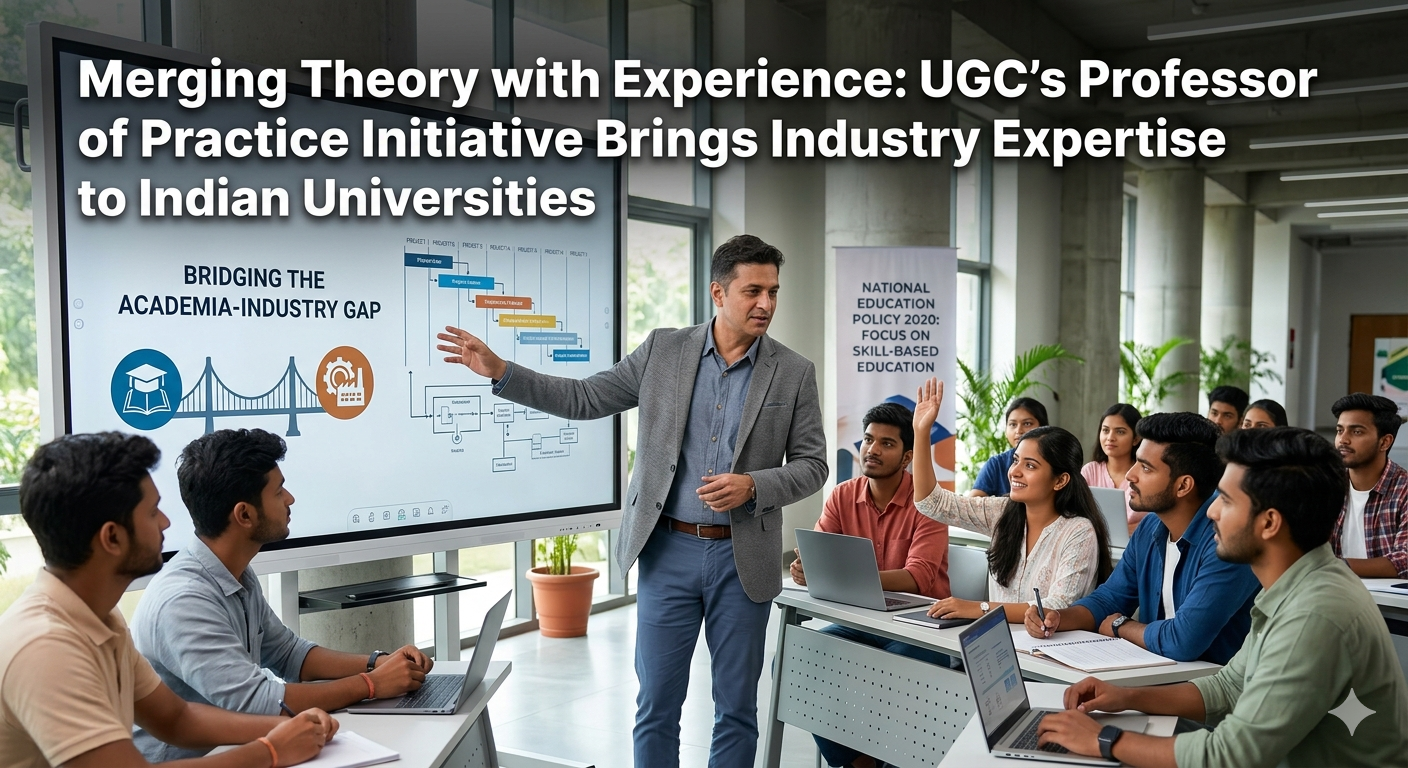
The Professor of Practice (PoP) scheme in India was introduced by the University Grants Commission (UGC) under the National Education Policy (NEP) 2020. The National Education Policy 2020 seeks to transform higher education by focusing on skill- based education to meet needs of the industry and the economy. Further, the NEP also recommends integrating vocational education with general education and strengthening industry-academia collaboration in HEIs. Towards this, the UGC has taken a new initiative to bring the industry and other professional expertise into the academic institutions through a new category of positions called “Professor of Practice”. It allows higher education institutions to hire industry professionals and distinguished experts to bridge the gap between theoretical academia and real-world practical experience.
Core Objective
The primary goal is to integrate industry expertise into higher education. It enables students to learn from seasoned practitioners, policymakers, and skilled experts. This helps students develop practical, job-ready skills and encourages industry-driven research.
How to Become a UGC Professor of Practice?
To become a Professor of Practice, an individual must meet specific criteria defined by the UGC, such as:
- Extensive Experience: Candidates must be distinguished experts with at least 15 years of service or practical experience in their specific field.
- Diverse Backgrounds: Experts can be hired from a wide array of sectors, including technology, science, social sciences, media, literature, armed forces, law, fine arts, corporate sectors, and public administration.
- Academic Waivers: Unlike regular professors who must hold a Ph.D. or clear the National Eligibility Test (NET), PoPs do not require formal academic qualifications if they possess exemplary professional expertise. Launched to bridge the academia-industry gap, it exempts candidates from traditional academic requirements like a Ph.D. or UGC-NET, focusing instead on professional experience and domain expertise.This will help to take real world practices and experiences into the class rooms and also augment the faculty resources in higher education institutions. The University Grants Commission (UGC) maintains a dedicated UGC Professor of Practice Portal which serves as a centralized platform for both institutions to post vacancies and for interested experts to register their profiles.
- Term and Conditions
- Tenure: The engagement is strictly contractual and on a fixed-term basis. It is initially set for up to one year and can be extended, but the maximum service period usually cannot exceed three to four years under any circumstances.
- Capacity: PoP positions are created exclusively outside the sanctioned, regular teaching posts. Hiring a PoP does not impact the recruitment or quotas for regular faculty members. The strength of Professors of Practice at any given institution cannot exceed 10% of the total sanctioned faculty positions.
- Exclusion: They must not be in the traditional full-time teaching profession (serving or retired). Serving or retired teachers from traditional teaching professions are generally not eligible for this role.
Primary Responsibilities
- Curriculum Design: Co-creating and tailoring syllabi to match current market needs, ensuring students learn practical, employable skills.
- Experiential Teaching: Delivering specialized lectures, running workshops, and conducting seminars that reflect real-world scenarios rather than just textbook theory.
- Mentorship: Inspiring innovation and student startups, guiding them in product development and connecting them to professional networks.
- Research and Consulting: Collaborating with regular faculty on joint research, industry-sponsored projects, and consultancy services.
Key Benefits of Professor of Practice
The Professor of Practice framework provides several vital benefits for the Indian educational ecosystem:
- Bridging the Industry-Academia Gap: Textbook knowledge frequently lags behind rapid corporate and technological changes. PoPs introduce real-world perspectives, case studies, and insights from their specific fields—such as technology, management, media, and civil services—directly into the classroom.
- Implementation of NEP 2020: Aligned with the National Education Policy, PoPs promotes skill-based education by allowing universities to integrate vocational and practical skills into general degree programs. It helps to design curricula that align with current societal and business needs.
- Boosting Student Employability: By mentoring students on innovation, entrepreneurship, and applied projects, PoPs prepare students to meet employer expectations. Their corporate connections also play a key role in improving placement outcomes and building institutional linkages.
- Overcoming Faculty Shortages: Thousands of faculty vacancies exist across central, state, and private universities in India. The PoP scheme allows institutions to hire distinguished professionals without making a Ph.D. mandatory, providing a vital influx of expert faculty resources.
- Collaborative Research & Innovation Beyond teaching, PoPs facilitate consultancy services, joint research projects, and corporate training between academia and external industries. This collaboration drives applied research and innovation in order to bridge the gap between laboratory research and real-world commercial products.
Prachi Sharma is a dynamic journalist and anchor known for her insightful reporting and engaging on-screen presence. With a strong command over storytelling and a flair for content creation, she brings clarity and depth to every piece she presents. Prachi’s versatile skills extend beyond journalism—her ability to craft compelling written content makes her a valuable voice in the media landscape. Whether on camera or behind the scenes, she is committed to delivering impactful narratives that inform, inspire, and connect with audiences.

You may like


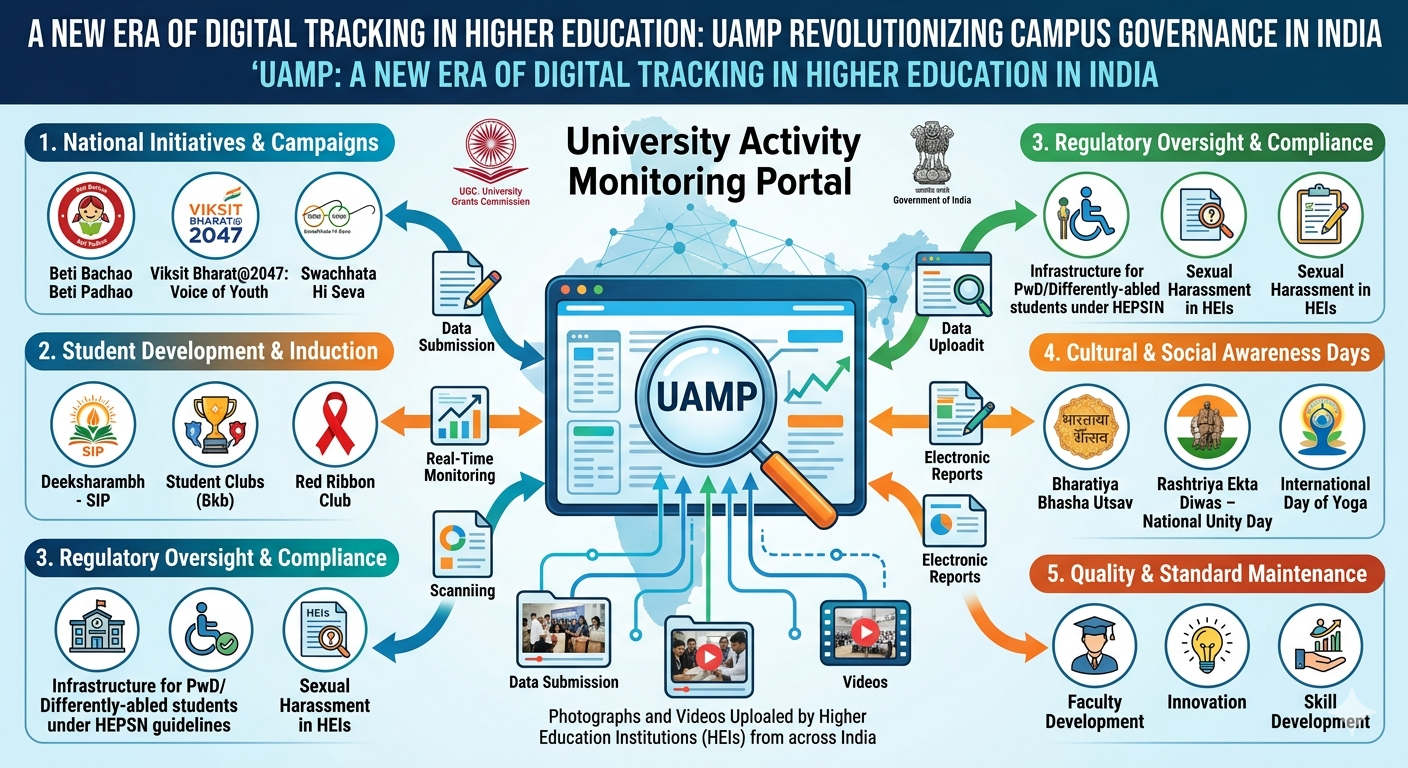
A New Era of Digital Tracking in Higher Education: UAMP Is Revolutionizing Campus Governance in India
-
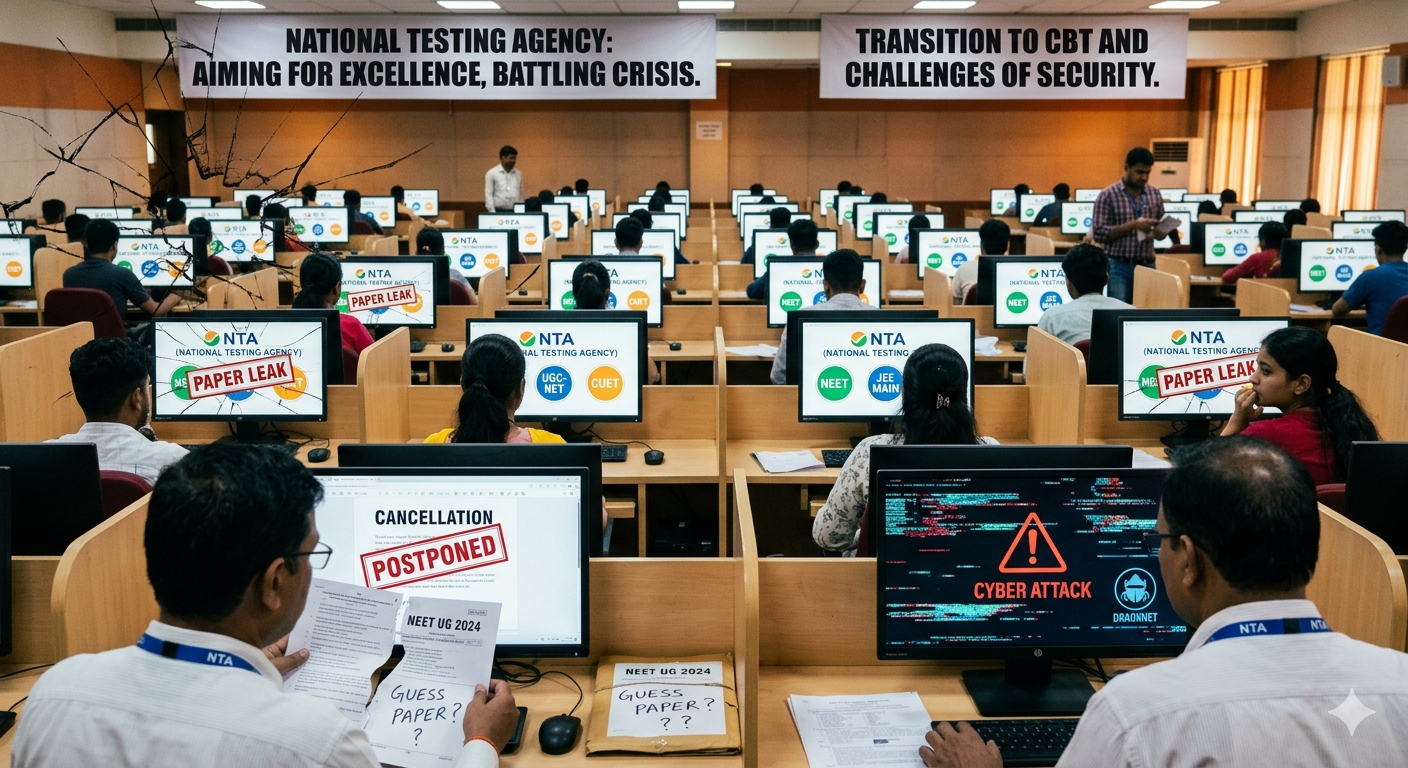
Standardizing the Future: An Overview of the National Testing Agency
-
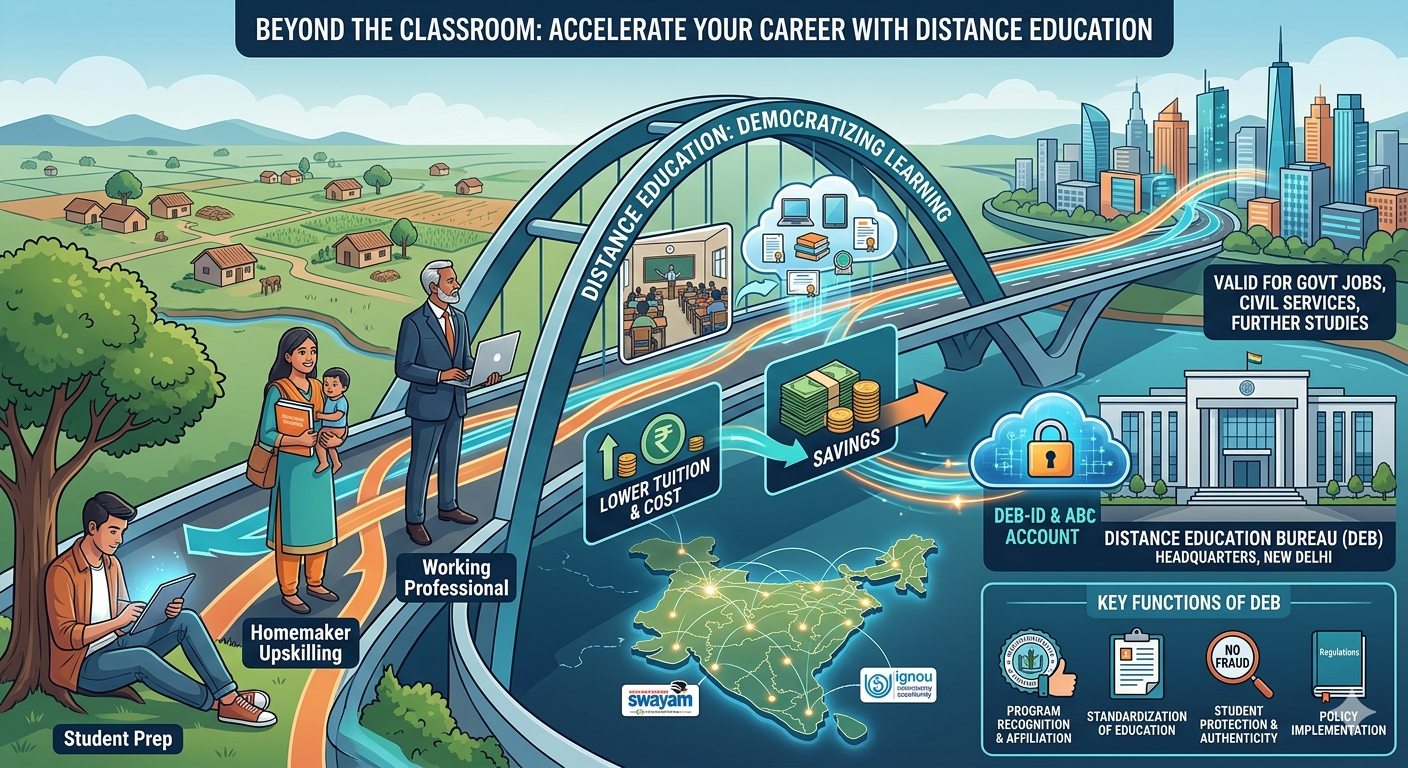
Fostering Academic Excellence: How the Distance Education Bureau Push for Quality Learning Anywhere


Ski and Snowboard India Elects New Leadership for 2026–2030 Term


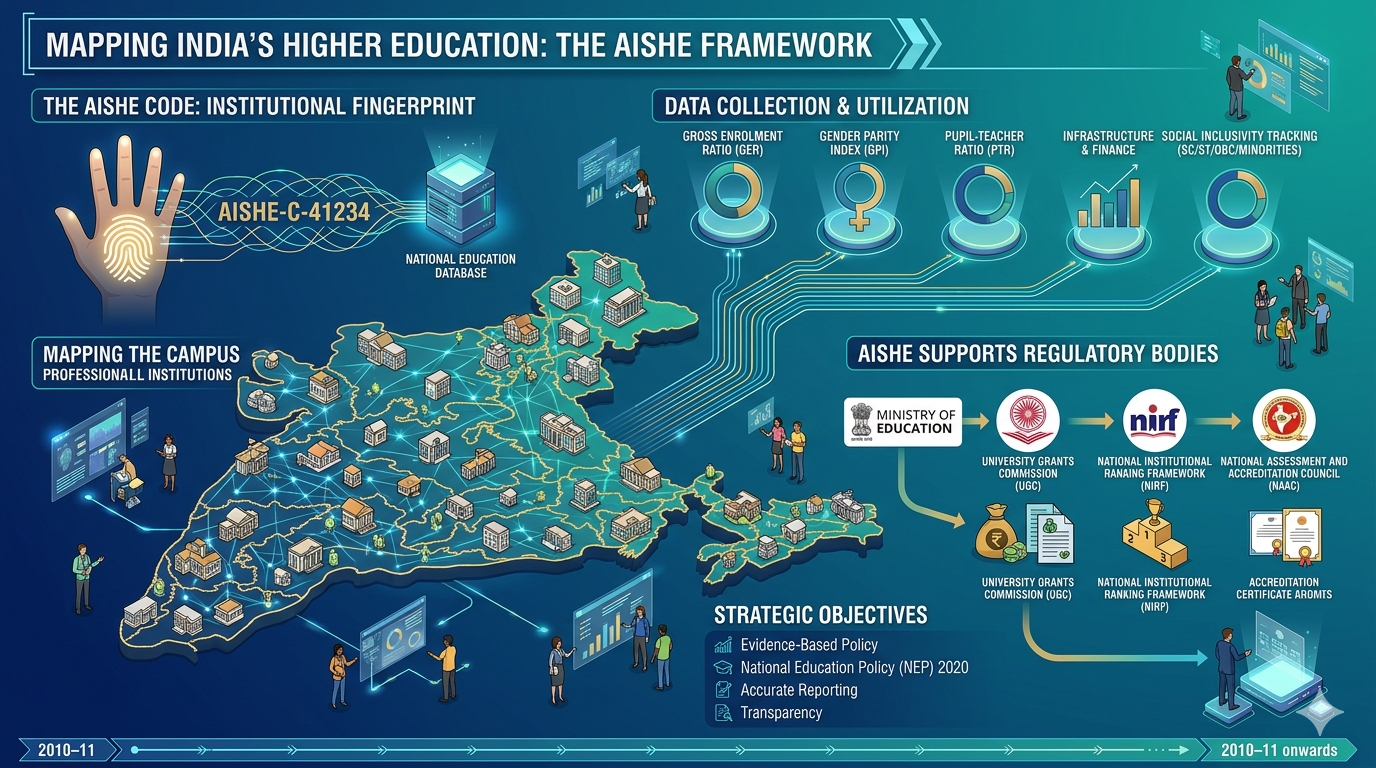
Mapping the Campus: How AISHE is Streamlining India’s Higher Education Framework
-
Seamless Verification: The Integration of NAD and DigiLocker in Indian Higher Education