Education
CET Admission Exams May Be Held Twice a Year: States Propose Student-Friendly Reform After CBSE Move

Published
10 months agoon

In a major step towards student-centric reforms, several Indian states are now considering holding the Common Entrance Test (CET) twice a year. This proposed move comes after the Central Board of Secondary Education (CBSE) announced its decision to conduct Class 10 and 12 board exams in two sessions annually from 2026. The idea is to provide students with multiple opportunities to improve their performance and reduce the immense pressure associated with single high-stakes examinations.
The CET is a gateway to admission in professional courses such as engineering, medical, pharmacy, and agriculture. Until now, it has been conducted only once a year, making it a make-or-break opportunity for aspirants. A single missed chance due to illness, stress, or any other unforeseen circumstance could cost students an entire academic year. The plan to offer CET twice annually aims to solve this issue by providing flexibility, much like the CBSE’s new exam structure under the National Education Policy (NEP) 2020.
Education departments, particularly in Maharashtra, have begun the groundwork for this transition. They are currently mapping student distribution across districts and evaluating technical and logistical needs, including the development of dedicated state-run exam centres. This is expected to reduce reliance on private centres and make the process more accessible and affordable for students in rural and economically weaker sections.
Officials believe that this two-exam format will also relieve psychological pressure. With a second chance available within the same academic year, students can focus more on learning and less on the fear of failure. Additionally, it could discourage the intense competition and excessive dependence on private coaching institutes.
However, implementing two CET sessions per year will not be without challenges. From preparing additional question sets to ensuring secure and efficient management of exam centres, authorities must address several logistical issues. Questions also remain about how admissions will consider scores from the two attempts—whether the best score will count or an average will be taken.
While the proposal is still under discussion and pending final approval, it marks a significant shift in the examination and admission landscape of India’s higher education system. If implemented, the dual-session CET could transform the experience of millions of students each year, offering them a fairer, more flexible path to higher education.
Prachi Sharma is a dynamic journalist and anchor known for her insightful reporting and engaging on-screen presence. With a strong command over storytelling and a flair for content creation, she brings clarity and depth to every piece she presents. Prachi’s versatile skills extend beyond journalism—her ability to craft compelling written content makes her a valuable voice in the media landscape. Whether on camera or behind the scenes, she is committed to delivering impactful narratives that inform, inspire, and connect with audiences.

You may like


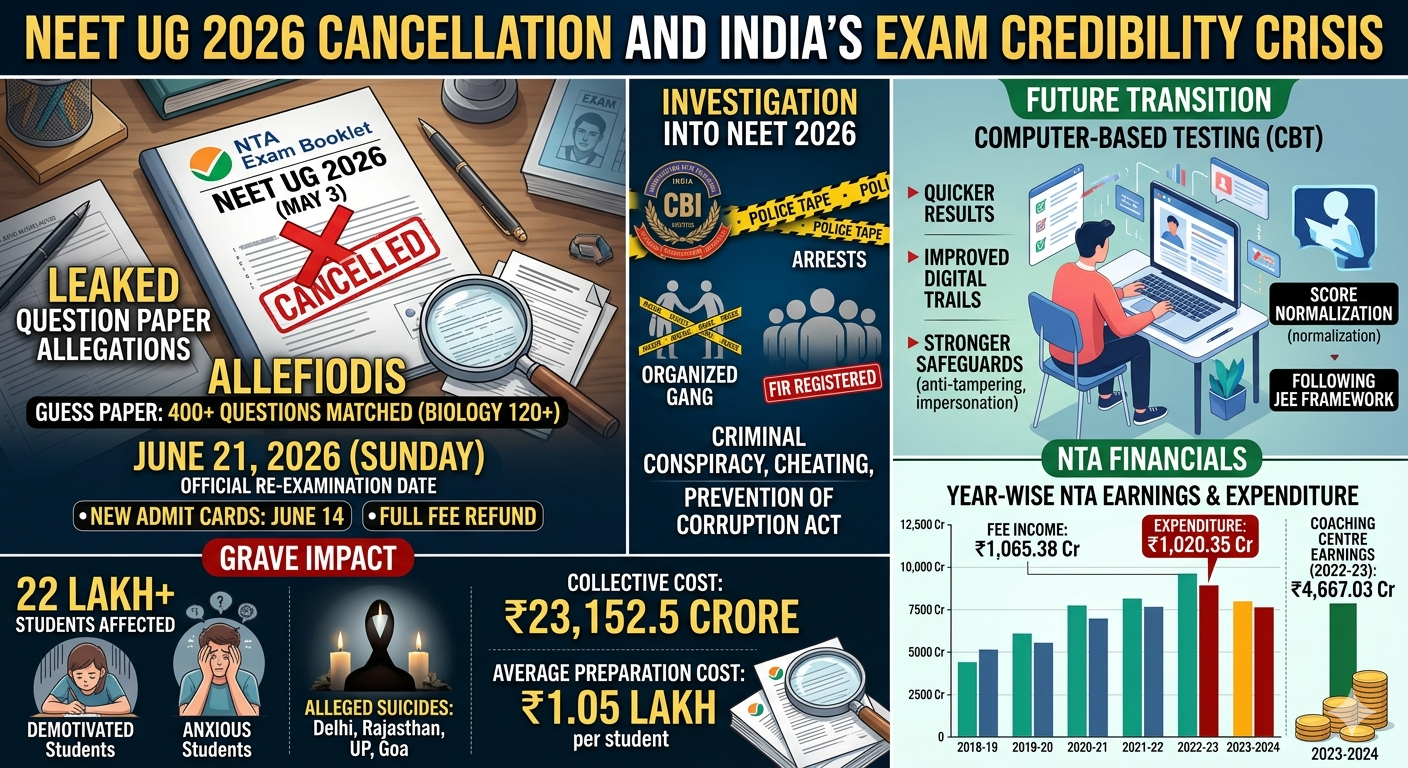
Anatomy of a Compromised Exam: From a 400-Question ‘Guess Paper’ to a Nationwide Re-Test
-
Improving Educational Outcomes through Active Stakeholder Participation in Decision-Making in CBSE


Partners in Learning: Empowering Parents and Teachers Together
-
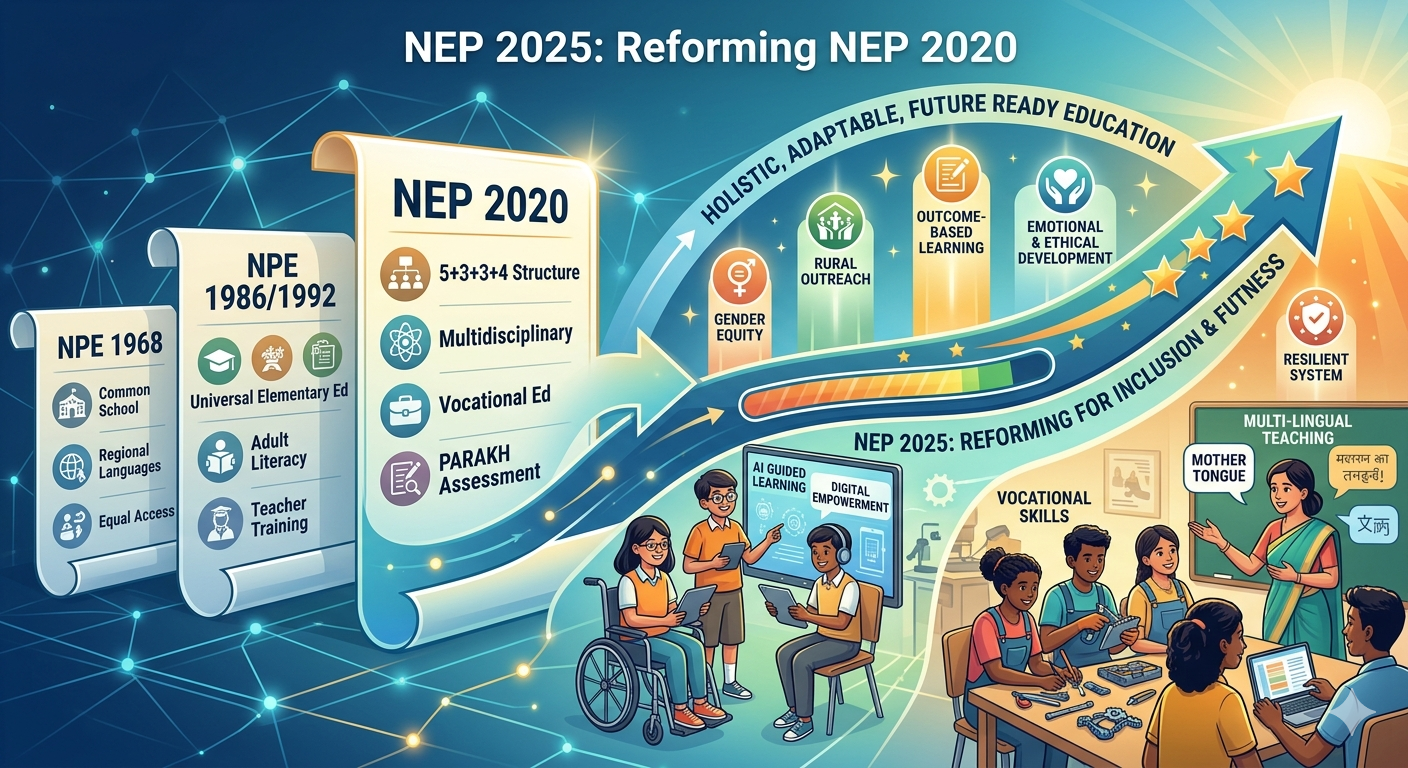
NEP 2025: Reforming NEP 2020 for an Inclusive and Future Ready Educational System


रेडियो मिर्ची के दफ्तर पहुँचे पटना विश्वविद्यालय के छात्र, जानीं प्रसारण की बारीकियां


Bihar CET-B.Ed. 2026 Notification Released: Exam Dates, Eligibility, and Step-by-Step Application Guide