Education
Improving Educational Outcomes through Active Stakeholder Participation in Decision-Making in CBSE

Published
11 hours agoon
Trainee Reporter Kaveri Mishra
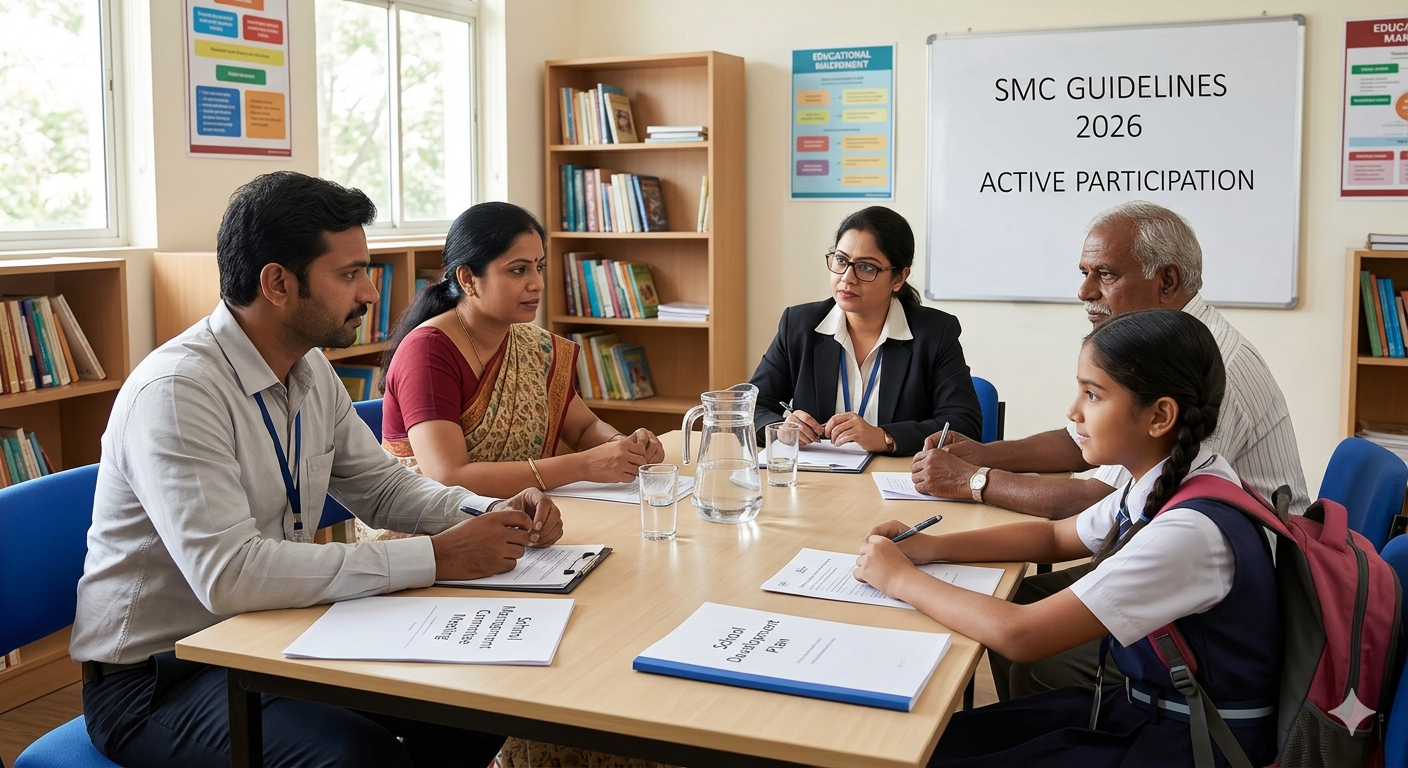
Educational decisions are made every day regarding curriculum design, resource allocation, policy implementation, and school administration. However, the effectiveness of these decisions largely depends on one critical factor: who participates in the decision-making process. When key stakeholders, students, teachers, parents, and the wider community, are meaningfully involved in shaping educational policies and practices, the outcomes improve significantly and measurably. This highlights the importance of stakeholder participation in educational decision-making, a principle strongly supported by growing evidence and experience. A School Management Committee (SMC), as defined under the Central Board of Secondary Education (CBSE) guidelines and aligned with the Right to Education (RTE) Act, 2009, is a body constituted in schools to ensure this active participation of parents and the local community in the effective management and development of schools.
Department of School Education and Literacy, Ministry of Education, has rolled out the SMC Guidelines 2026 providing a comprehensive and unified national framework and outlining the roles and responsibilities of School Management Committees (SMCs). The guidelines act as a consolidated reference to align their rules and practices with the national vision of inclusive, participatory, and accountable education. The primary objective of these guidelines is to empower local communities to collectively take responsibility for their schools, ensuring that every child learns and grows in a safe, inclusive, and supportive environment while achieving the envisioned learning outcomes by 2047.
The new guidelines, aligned with the National Education Policy 2020, supersede earlier recommendations on school management committees, and are meant to strengthen community involvement in schools and learning from the pre-primary classes all the way up to class 12. The guidelines will serve as a reference framework for states to issue their own instructions.
Tuli Chatterjee, Principal, Christ School, says, “The system was very much in practice in ICSE board. This change in CBSE acknowledges that parents play a vital role in a child’s holistic development and should be actively involved in decision-making processes. Greater parental involvement can lead to more transparency, improved accountability, and policies that are more aligned with students’ needs. It also encourages a collaborative environment where educators and parents work as partners.”
She adds, “However, schools must ensure that professional autonomy of educators is respected, while parents are given meaningful platforms to voice their perspectives constructively.”
INCLUSIVE SCHOOL EDUCATION
The early months of a child’s academic journey are often the most decisive. They shape attitudes, discipline, confidence, learning habits, emotional adjustment, and social conduct. It is therefore essential that parents and teachers work in close harmony so that every child receives consistent guidance, encouragement, and direction both at school and at home. The teachers-parents interaction shall provide parents with an opportunity to meet the respective class teacher and subject teachers, understand how the child has settled into the new session, and discuss areas that require attention, reinforcement, motivation, and nurturing. The purpose of this stakeholder participation extends far beyond academics alone; it is intended to create a united support system that promotes the intellectual, emotional, moral and holistic development of every learner.
The key features of the SMC Guidelines include strengthening community ownership of learning outcomes from Balvatika to Grade 12 through the formation of a single School Management Committee (SMC). The guidelines also emphasize the preparation of a three-year School Development Plan, supported by annual sub-plans and social audits to ensure continuous monitoring and improvement. In addition, they focus on school infrastructure safety, disaster preparedness, inclusive education, enhanced transparency, stronger financial oversight, and the promotion of equitable education for all students.
According to the guidelines, the size of the SMC will vary based on student enrolment. Schools with up to 100 students will have 12–15 committee members, while schools with more than 500 students will have 20–25 members.
The SMC Guidelines 2026 is expected to trigger a significant shift in how government and aided schools operate. There would be a quicker resolution of facility issues through local committee intervention. With an enhanced parent-teacher coordination, identification of at-risk students takes place early. A uniform roadmap would help schools in rural and urban areas maintain the same quality standards.
IMPORTANT ASPECTS OF THE SMC GUIDENLINES 2025-26
- At least 75% of the members of the School Management Committee (SMC) must be parents or guardians of enrolled students.
- Women should constitute a minimum of 50% of the committee’s membership to ensure balanced representation.
- The committee should include representatives from local authorities, teachers, NGOs, academicians, and members of disadvantaged communities.
- SMCs are intended to promote community participation and ensure transparent and accountable school governance.
- Regular meetings of the SMC/SMDC should be conducted to support effective school management and institutional development.
- Schools must maintain a separate register to document the proceedings and decisions of all SMC meetings.
- Training and orientation programmes should be organised to enhance members’ understanding of their roles and responsibilities.
- The guidelines are aligned with the Right to Education (RTE) Act, 2009, and emphasize inclusive, participatory, and child-centred educational governance.
Prachi Sharma is a dynamic journalist and anchor known for her insightful reporting and engaging on-screen presence. With a strong command over storytelling and a flair for content creation, she brings clarity and depth to every piece she presents. Prachi’s versatile skills extend beyond journalism—her ability to craft compelling written content makes her a valuable voice in the media landscape. Whether on camera or behind the scenes, she is committed to delivering impactful narratives that inform, inspire, and connect with audiences.

You may like


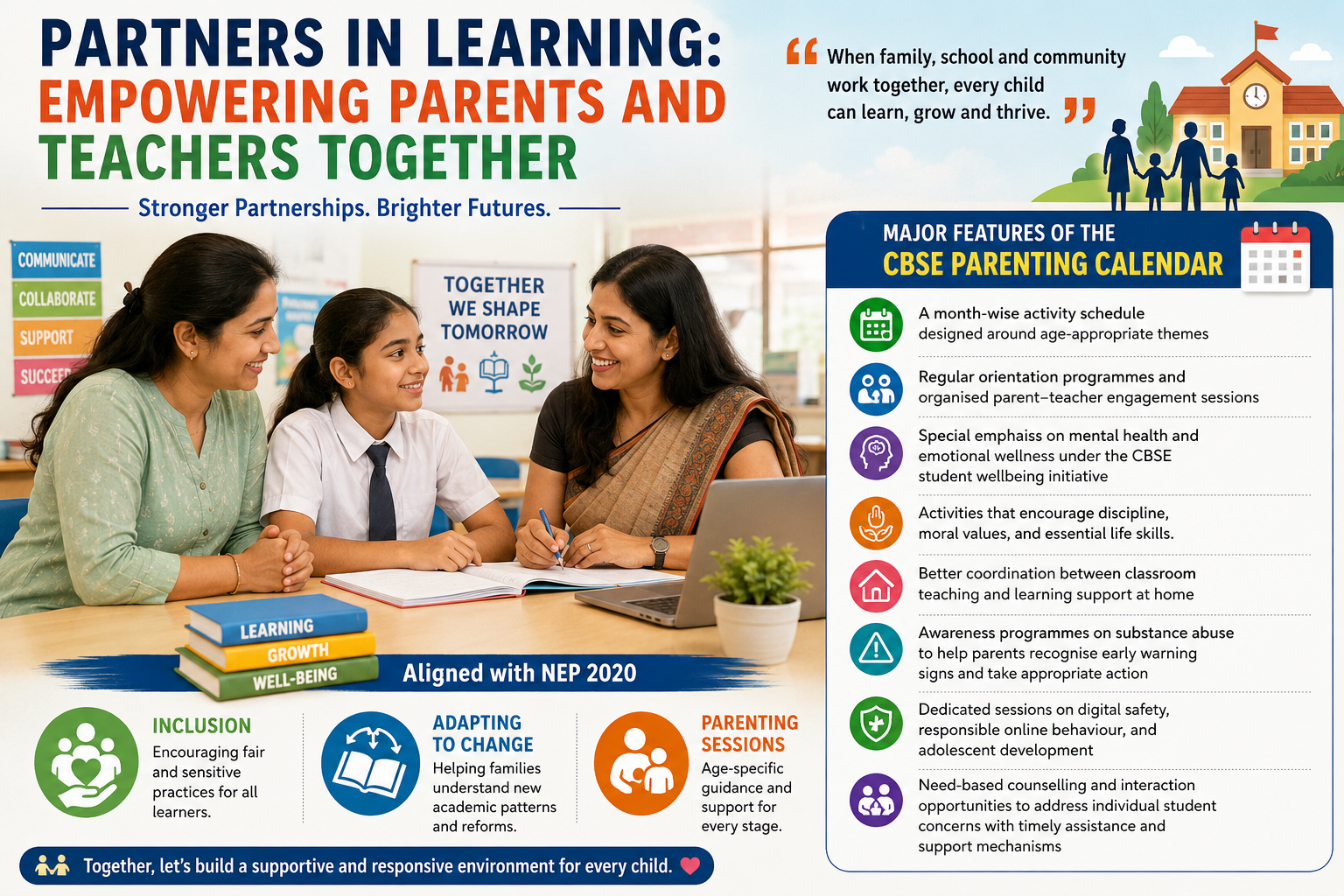
Partners in Learning: Empowering Parents and Teachers Together


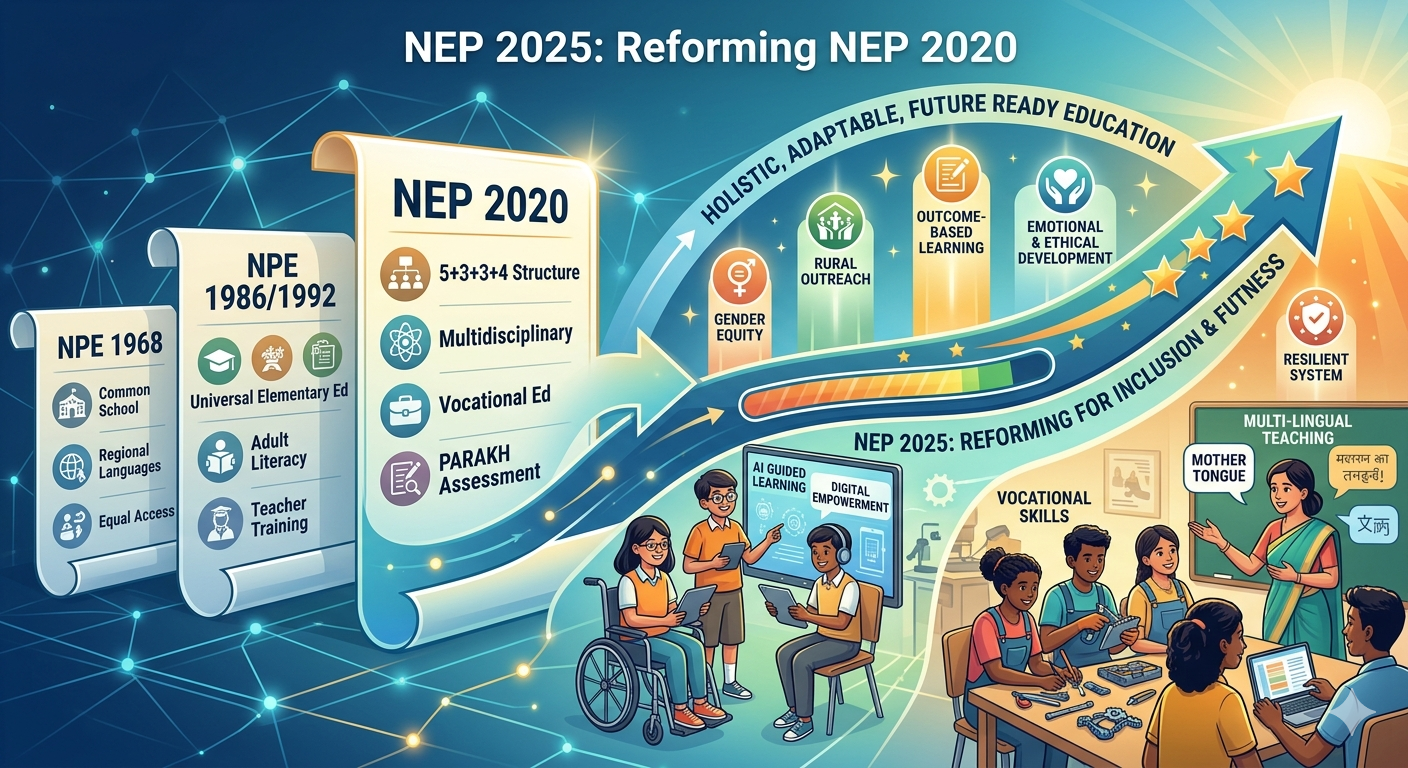
NEP 2025: Reforming NEP 2020 for an Inclusive and Future Ready Educational System
-
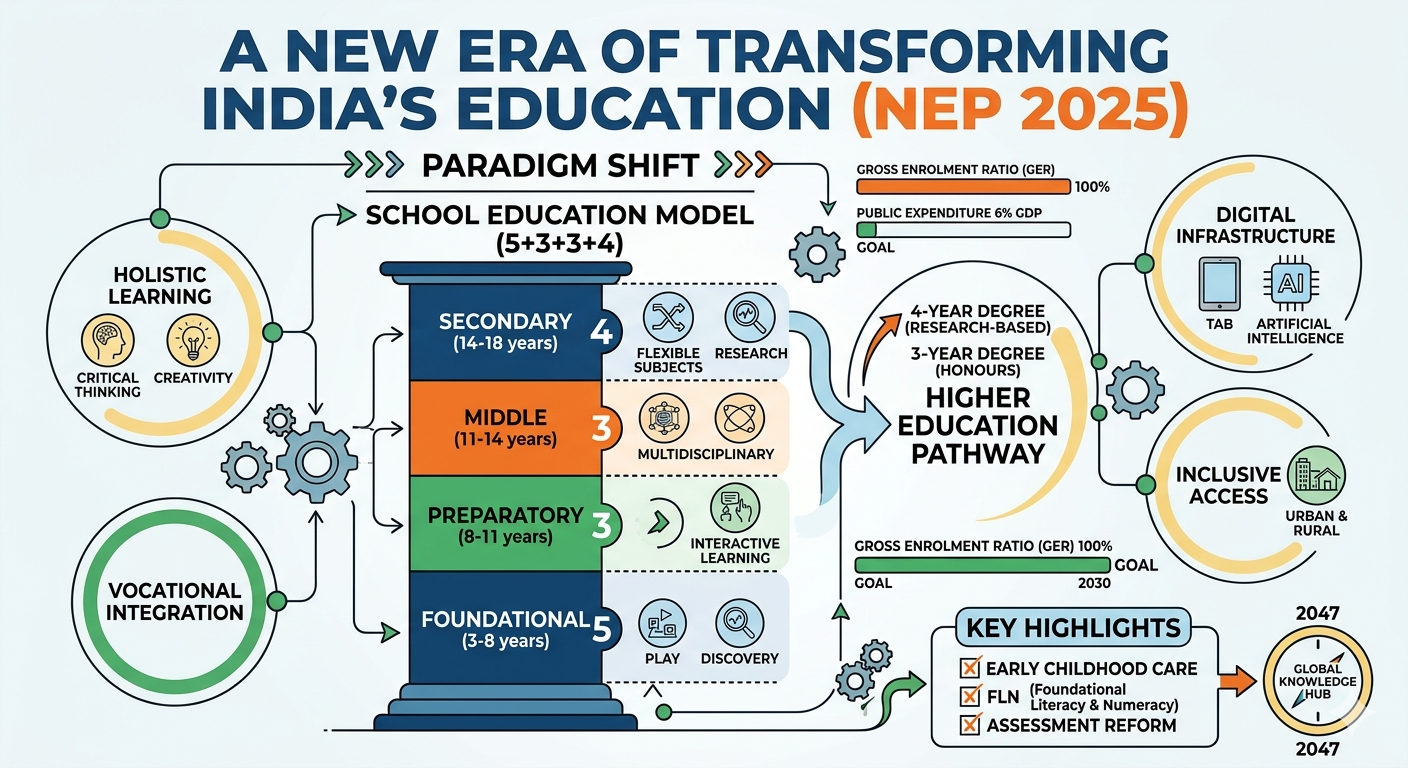
A New Era of Transforming Education: Navigating the Paradigm Shift in India’s Education Policy


रेडियो मिर्ची के दफ्तर पहुँचे पटना विश्वविद्यालय के छात्र, जानीं प्रसारण की बारीकियां


Bihar CET-B.Ed. 2026 Notification Released: Exam Dates, Eligibility, and Step-by-Step Application Guide
-
CBSE Mandates Standard Infrastructure for Labs, Libraries and Sports in Schools