Bihar
Bihar’s Pupil–Teacher Ratio Improves, Surpasses National Average
Published
6 months agoon

Bihar’s education sector has recorded a notable improvement in the pupil–teacher ratio (PTR) in government schools, marking a positive shift in the state’s school-level learning environment. Recent data indicates that Bihar now has an average of 28 students per teacher, an improvement that places the state ahead of the national average of 35.
Detailed figures suggest that the PTR has improved across multiple class categories. At the primary level (Classes I–V), the ratio stands at 32 students per teacher, while the upper primary level (Classes VI–VIII) shows a stronger ratio of 19 students per teacher. For secondary classes (IX–X), the ratio is 30, and for senior secondary (XI–XII), it is 31. These numbers highlight the impact of both structural reforms and administrative efforts over the past few years.
One of the major reasons behind this progress is the large-scale recruitment drive of teachers undertaken in Bihar. Over the last few years, the state has appointed more than three lakh teachers, significantly reducing classroom burden and enabling better student-teacher engagement. Officials have confirmed that ongoing recruitment processes are expected to further improve the situation in the coming academic sessions.
Bihar currently has over two crore students enrolled in government schools between Class I and Class XII. The improved pupil–teacher ratio is expected to enhance the overall teaching-learning process, allow for improved classroom interaction, and help address learning gaps more effectively.
Education experts consider this development a crucial step forward for Bihar, especially as the state continues to focus on strengthening school infrastructure, teacher quality, and academic outcomes. With sustained efforts, Bihar aims to continue narrowing the gap in education quality and move closer to national benchmarks.
Prachi Sharma is a dynamic journalist and anchor known for her insightful reporting and engaging on-screen presence. With a strong command over storytelling and a flair for content creation, she brings clarity and depth to every piece she presents. Prachi’s versatile skills extend beyond journalism—her ability to craft compelling written content makes her a valuable voice in the media landscape. Whether on camera or behind the scenes, she is committed to delivering impactful narratives that inform, inspire, and connect with audiences.

You may like


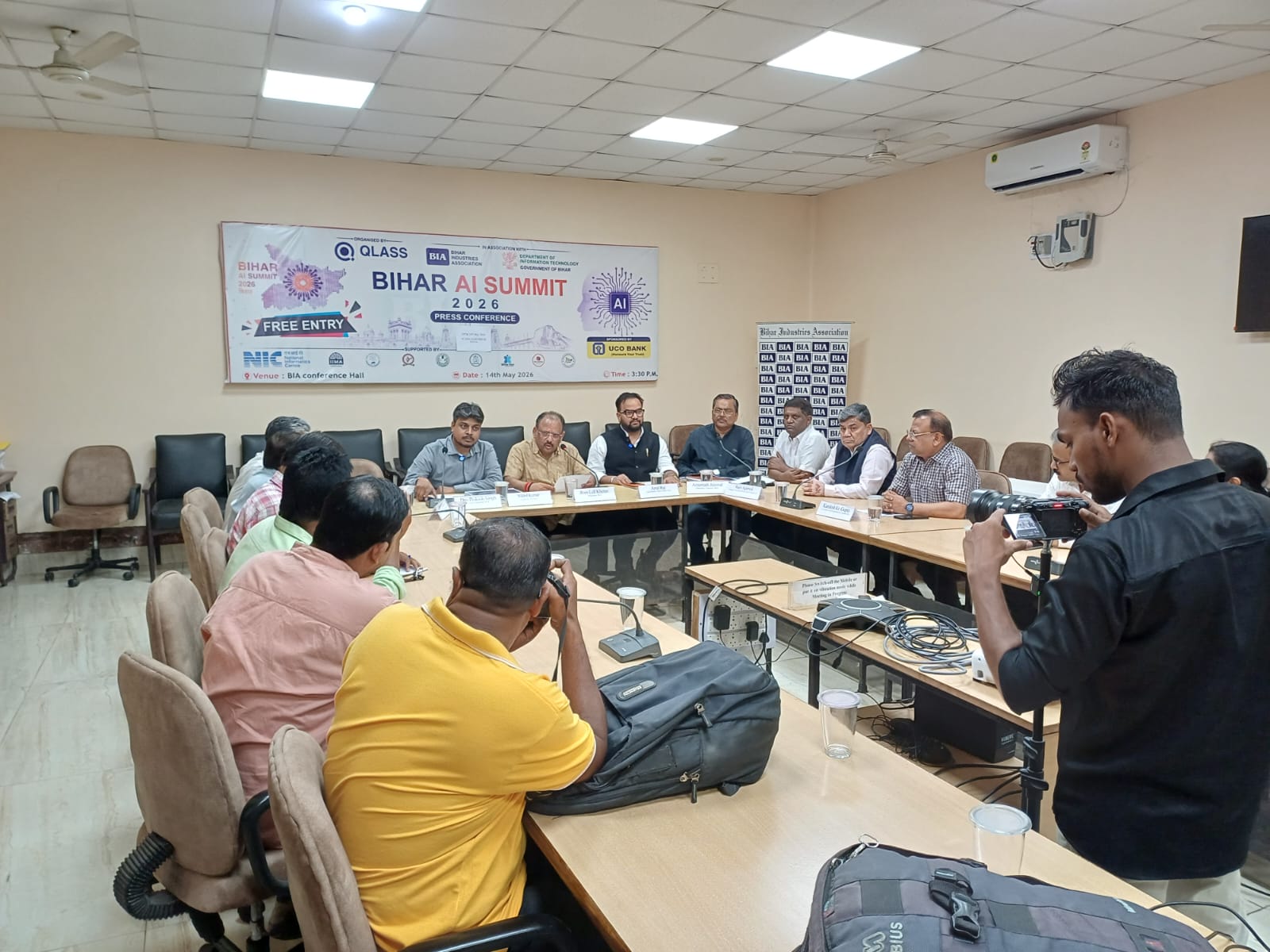
Bihar AI Summit 2026: Patna to Emerge as India’s Next Artificial Intelligence Hub


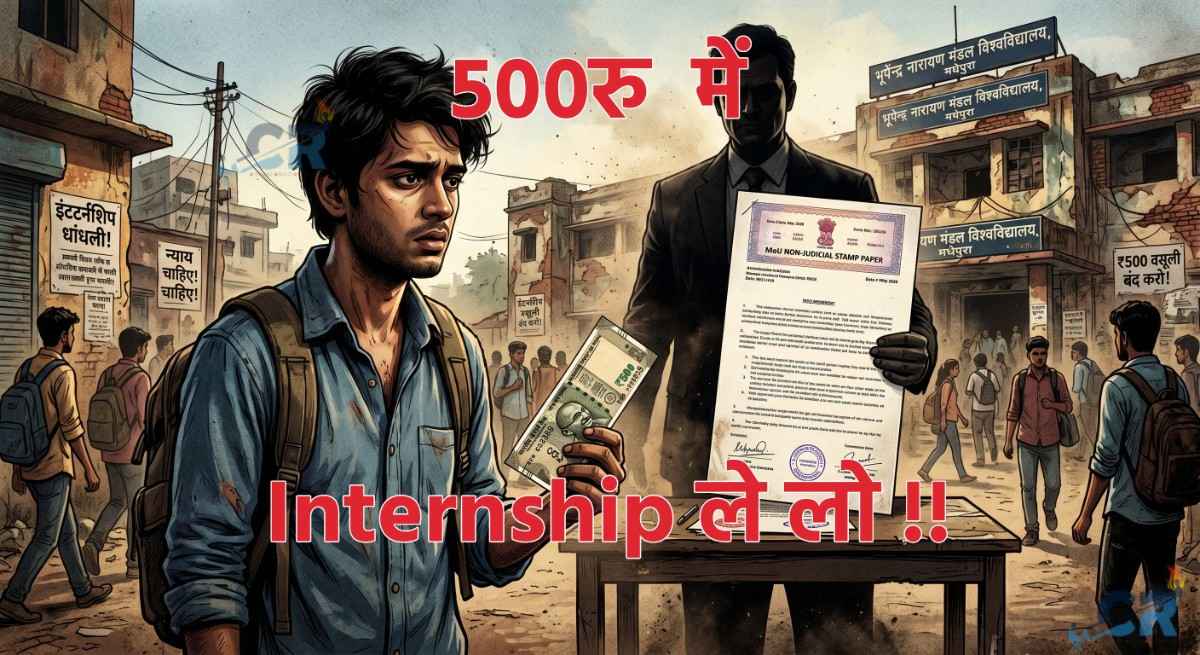
फीस पर लगाम, लेकिन लूट को कानूनी जामा – BNMU Internship Scam
-
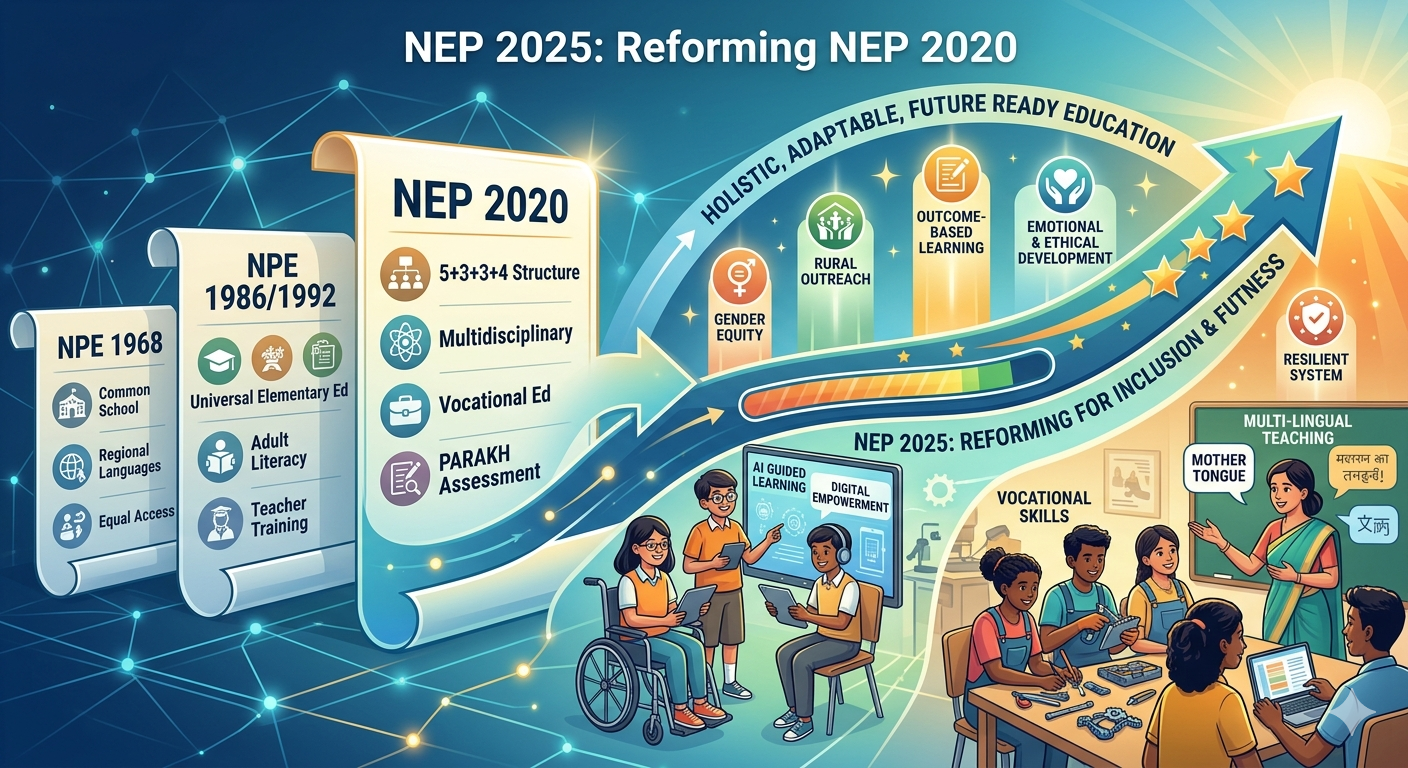
NEP 2025: Reforming NEP 2020 for an Inclusive and Future Ready Educational System


The Strategic Decision: No “Summer Break” for Exams
-
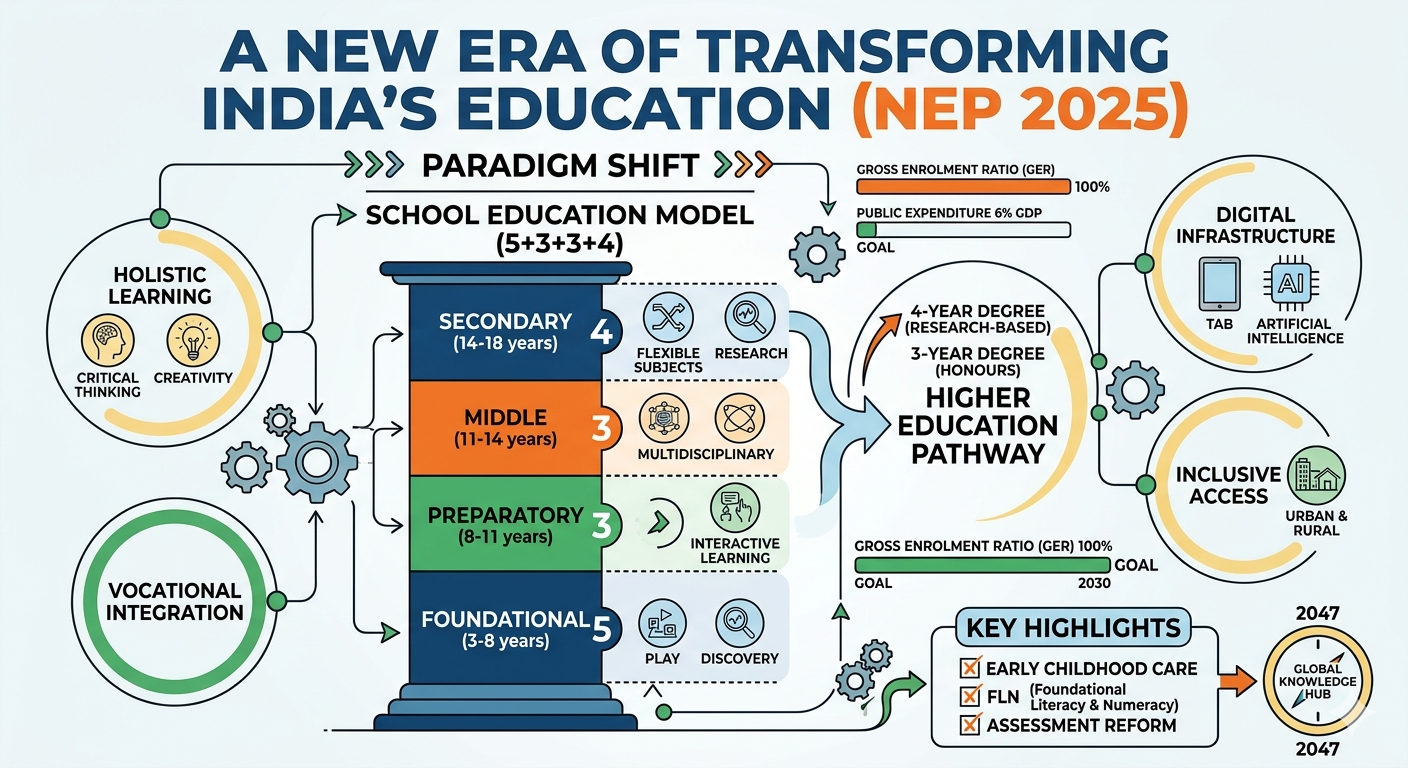
A New Era of Transforming Education: Navigating the Paradigm Shift in India’s Education Policy

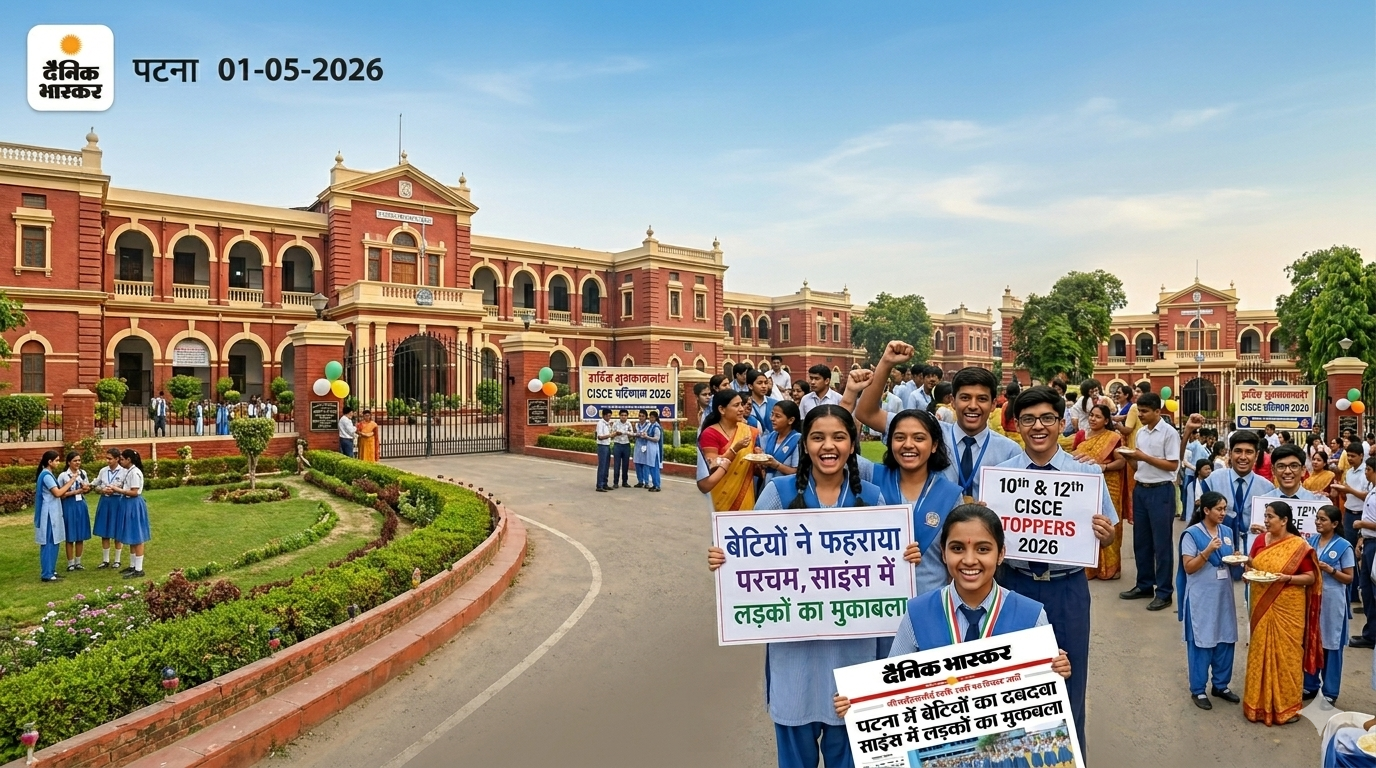
Patna CISCE Results 2026: Girls Sweep Top Honors; Boys Excel in Science