Education
NEP 2025 Reshapes Education: Early Research Integration and Multidisciplinary Colleges at the Core
Published
10 months agoon
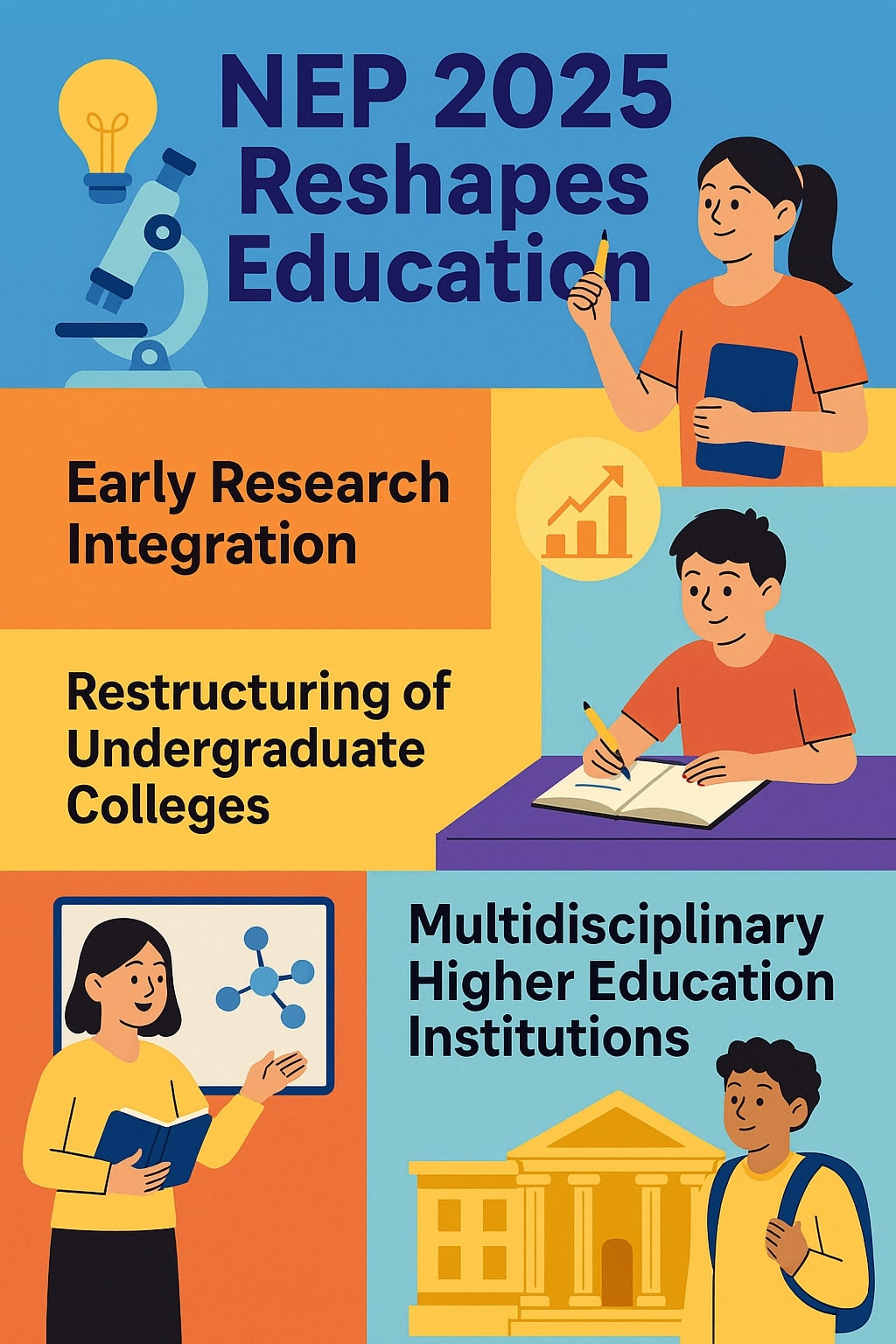
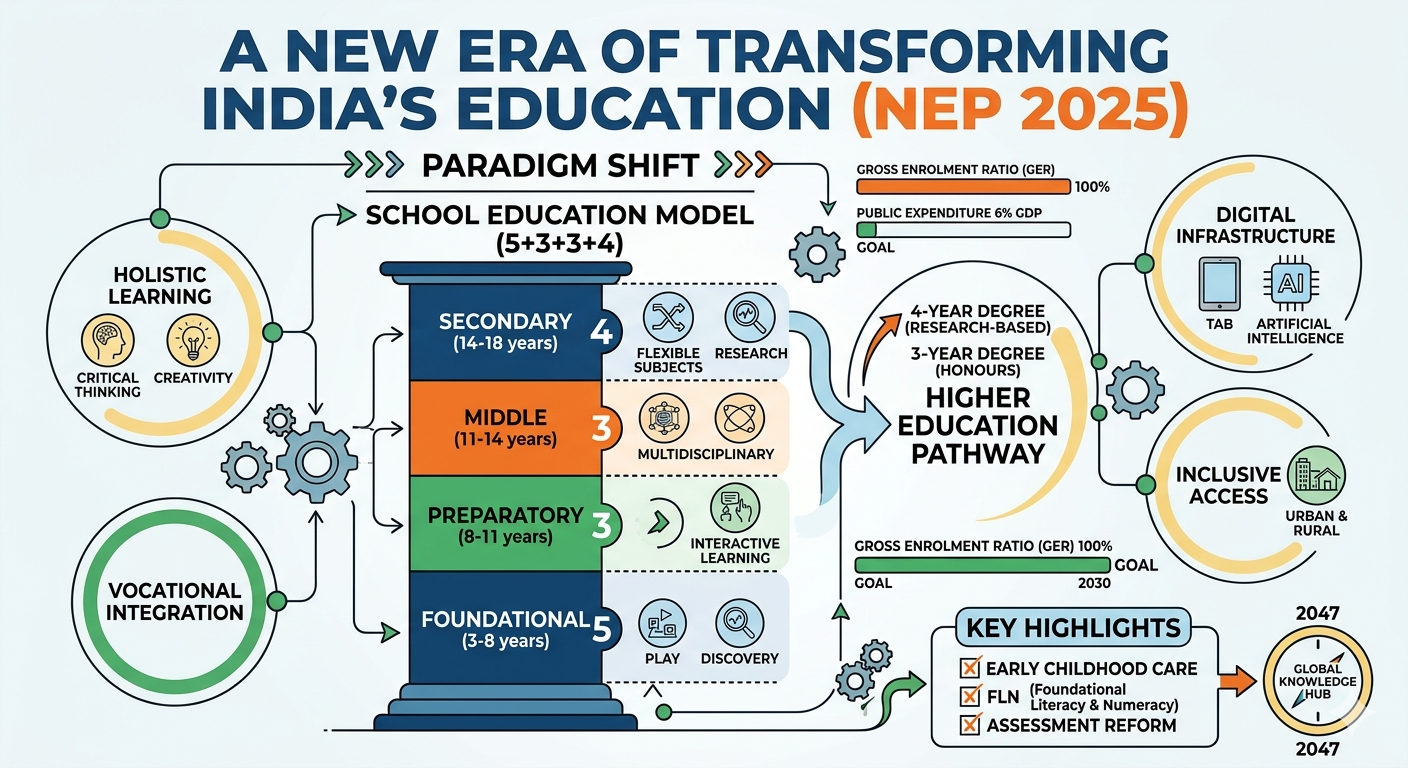
India’s New Education Policy for 2025 places a strong emphasis on embedding research-based learning from the earliest stages of education. Students in both schools and undergraduate programs will now engage in exploratory and inquiry-driven education, fostering critical thinking, innovation, and academic curiosity from a young age. The idea is to move away from rote memorization and elevate the status of learning through inquiry across all grade levels.
Restructuring Undergraduate Education
Under NEP 2025, traditional colleges are being transformed into Multidisciplinary Higher Education Institutions (MHEIs). These institutions grant students greater flexibility in course choices, allowing for combinations across streams such as humanities, sciences, and vocational studies. The aim is to provide a customizable education that better aligns with students’ interests and real-world demands.
A key highlight is the introduction of a four‑year undergraduate degree, with embedded research as a core component. Within this structure, students may opt for multiple exit options:
- Certificate after one year
- Diploma after two years
- Full degree after three or four years, including a substantial research component in the final year
This integrated approach expands access to higher education while formally acknowledging student progress at each stage.
Research in Schools & Higher Education
NEP 2025 encourages even school students to engage with research concepts via projects, science fairs, and interdisciplinary assignments. In higher education, MHEIs are expected to offer research labs, mentorship, and early engagement in exploration and innovation. This shift aims to narrow the gap between theory and practice, preparing learners to contribute meaningfully to academia and society.
Broader Goals & Future Outlook
Beyond research and structural reforms, NEP 2025 continues to promote broader transformation goals:
Emphasis on multilingual education, foundational literacy, and holistic development
Implementation of the 5+3+3+4 schooling structure, reinstating rigor in student assessment
Gradual creation of a single higher education regulator to consolidate existing councils like UGC, AICTE, and NCTE into a unified body
Targets for the future include raising the higher‑education Gross Enrollment Ratio (GER) and increasing India’s global ranking in research output
Significance & Impact
These reforms mark a major shift in India’s educational philosophy. By ushering research culture from early stages, students are encouraged to think critically and independently. Transforming colleges into MHEIs dismantles rigid disciplinary boundaries, making education more adaptive and responsive to emerging global challenges.
In essence, NEP 2025 doesn’t merely add research as a module—it transforms it into a core pillar, reshaping how Indian students learn, innovate, and prepare for the world.
Prachi Sharma is a dynamic journalist and anchor known for her insightful reporting and engaging on-screen presence. With a strong command over storytelling and a flair for content creation, she brings clarity and depth to every piece she presents. Prachi’s versatile skills extend beyond journalism—her ability to craft compelling written content makes her a valuable voice in the media landscape. Whether on camera or behind the scenes, she is committed to delivering impactful narratives that inform, inspire, and connect with audiences.

You may like


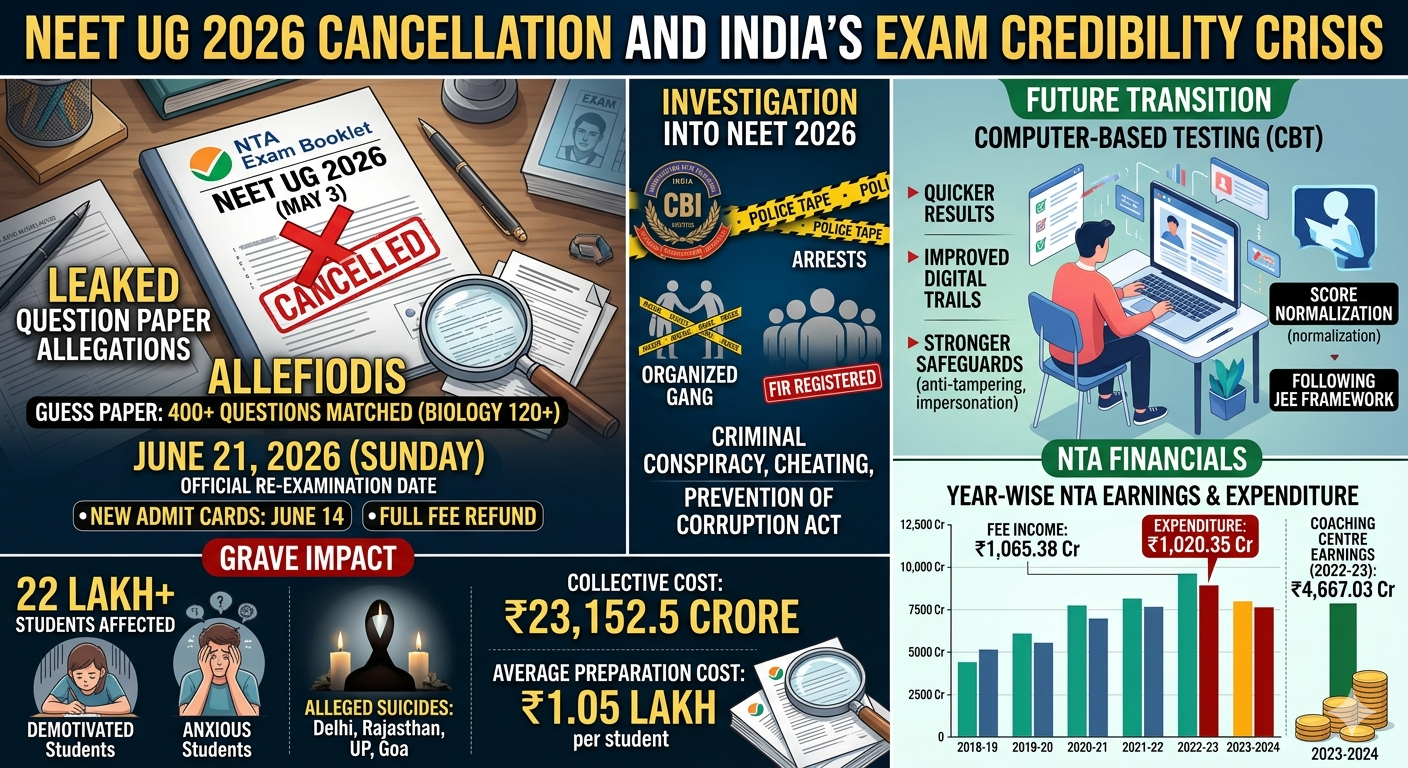
Anatomy of a Compromised Exam: From a 400-Question ‘Guess Paper’ to a Nationwide Re-Test
-
Improving Educational Outcomes through Active Stakeholder Participation in Decision-Making in CBSE


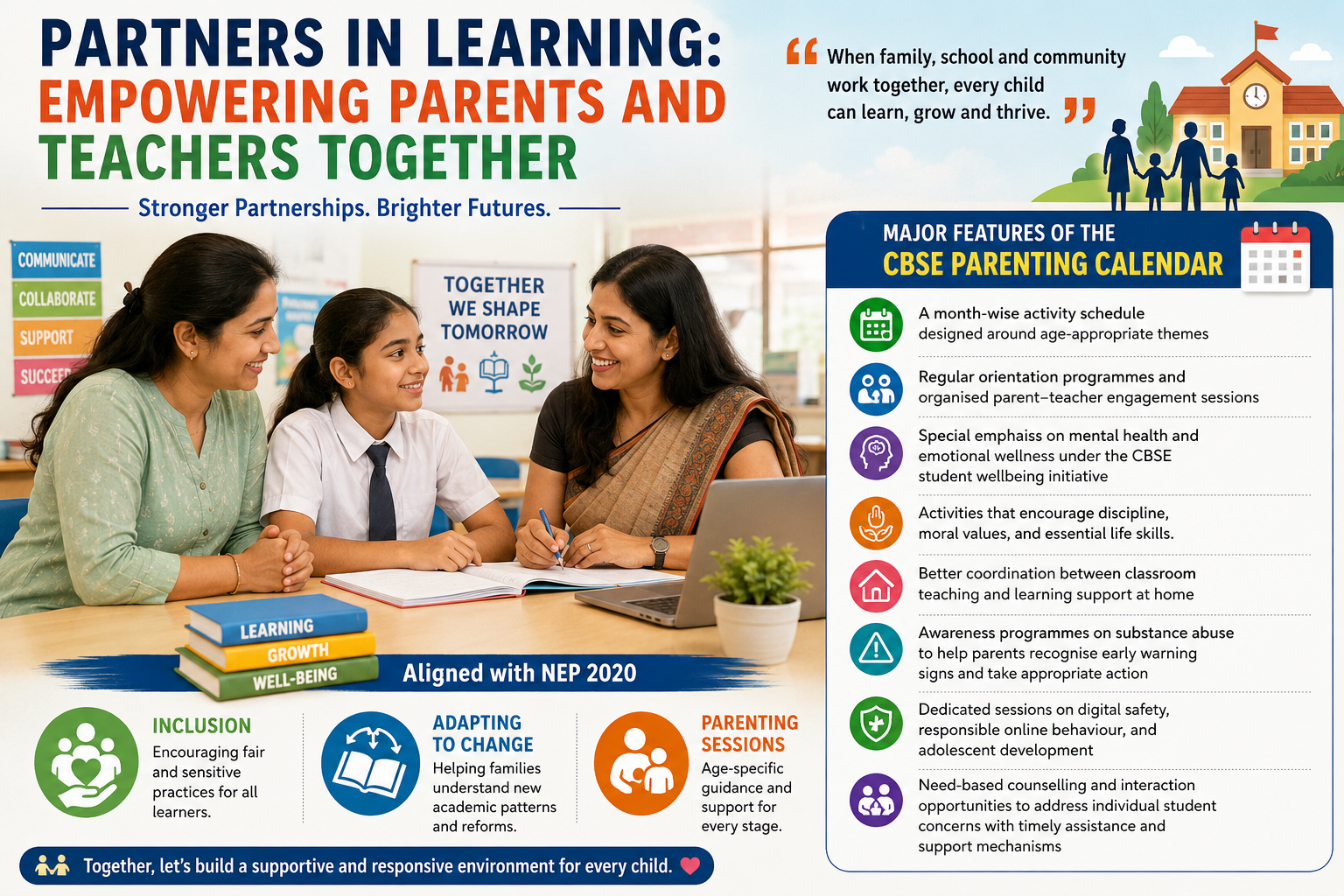
Partners in Learning: Empowering Parents and Teachers Together
-
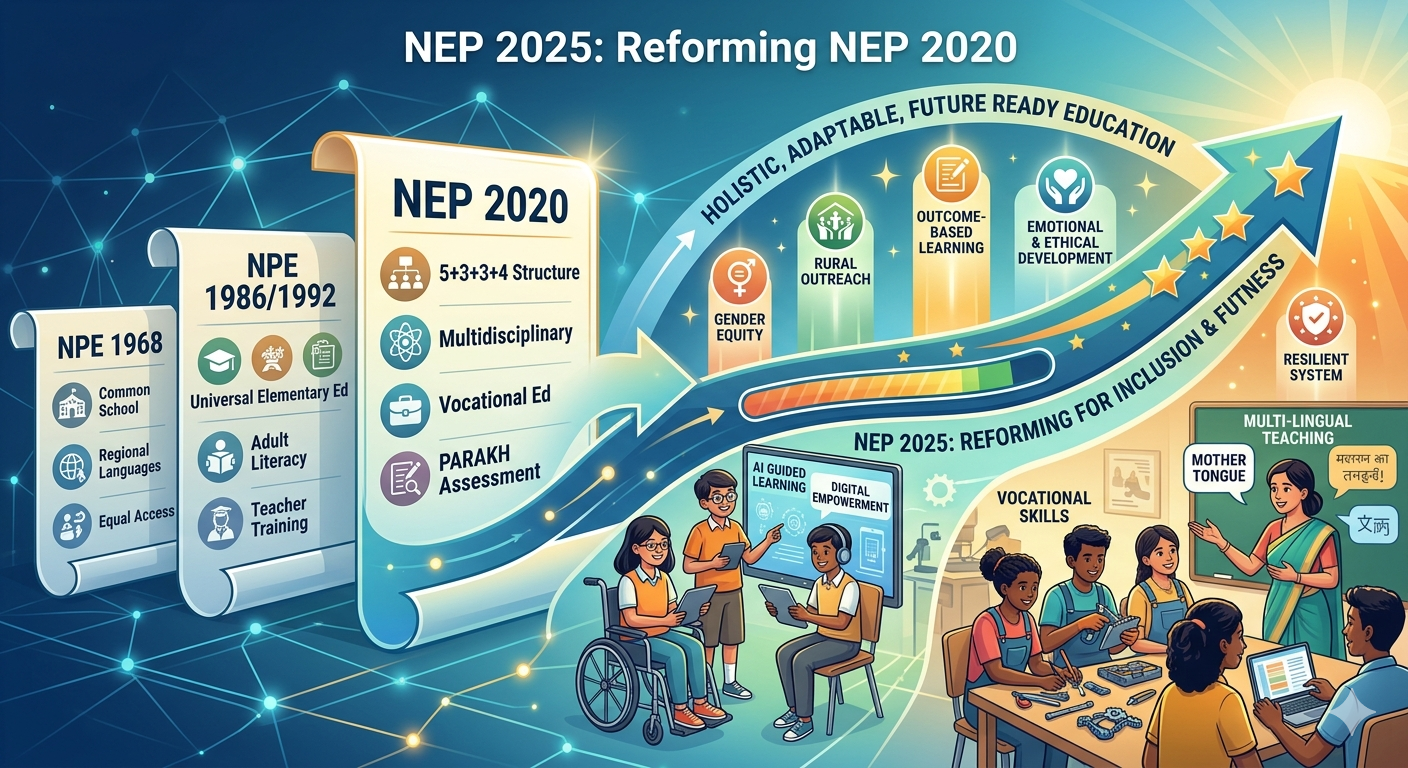
NEP 2025: Reforming NEP 2020 for an Inclusive and Future Ready Educational System
-
A New Era of Transforming Education: Navigating the Paradigm Shift in India’s Education Policy


रेडियो मिर्ची के दफ्तर पहुँचे पटना विश्वविद्यालय के छात्र, जानीं प्रसारण की बारीकियां