Education
Higher Education Reform Bill to Be Tabled in Parliament; Major Shift Expected in Regulatory Structure

Published
6 months agoon

The Union Government is set to introduce the Higher Education Commission of India (HECI) Bill in the upcoming winter session of Parliament, marking one of the most significant reforms in India’s higher education sector in decades. The bill seeks to create a single, central regulator for higher education by replacing existing bodies such as the University Grants Commission (UGC), the All India Council for Technical Education (AICTE), and the National Council for Teacher Education (NCTE).
According to official statements and draft details, the proposed HECI will be responsible for regulation, accreditation, academic standards, and quality control across higher education institutions. The move is aligned with the National Education Policy (NEP) 2020, which recommended streamlining India’s fragmented regulatory system.
Key Features of the Bill
The HECI will function as an umbrella body to oversee all non-medical and non-legal higher education sectors. Its primary roles will include:
- Granting approvals to institutions and academic programmes
- Overseeing accreditation agencies
- Setting academic norms and benchmarks
- Monitoring institutional performance
However, medical education and legal education will remain outside the purview of HECI and continue to be governed by their existing regulatory bodies.
Rationale Behind the Reform
Government officials argue that the current system—where UGC, AICTE, and NCTE operate separately—creates duplication, delays, and uneven standards. A single regulator, they say, will ensure efficiency, transparency, and uniformity across institutions.
The bill is also expected to reduce bureaucratic hurdles for colleges seeking recognition, approvals, or accreditations.
Despite the proposed benefits, the bill has sparked debate among educationists and state governments. Critics argue that the reform could lead to excessive centralisation, potentially undermining institutional autonomy and reducing the role of states in regulating education — a subject that falls under the Concurrent List.
Experts have also questioned the exclusion of medical and law colleges, saying it fragments regulation instead of unifying it.
A Major Shift Ahead
If passed, the HECI Bill will overhaul India’s regulatory architecture by merging three major bodies into one. While supporters see it as a long-awaited modernisation of the system, critics warn that the success of the reform will depend on how the new regulator balances central authority with academic freedom.
The bill’s introduction in the winter session signals the government’s intent to push forward with NEP 2020’s structural reforms. Parliamentary debates in the coming weeks will determine how soon and in what form the new regulatory body takes shape.
Prachi Sharma is a dynamic journalist and anchor known for her insightful reporting and engaging on-screen presence. With a strong command over storytelling and a flair for content creation, she brings clarity and depth to every piece she presents. Prachi’s versatile skills extend beyond journalism—her ability to craft compelling written content makes her a valuable voice in the media landscape. Whether on camera or behind the scenes, she is committed to delivering impactful narratives that inform, inspire, and connect with audiences.

You may like


Improving Educational Outcomes through Active Stakeholder Participation in Decision-Making in CBSE
-
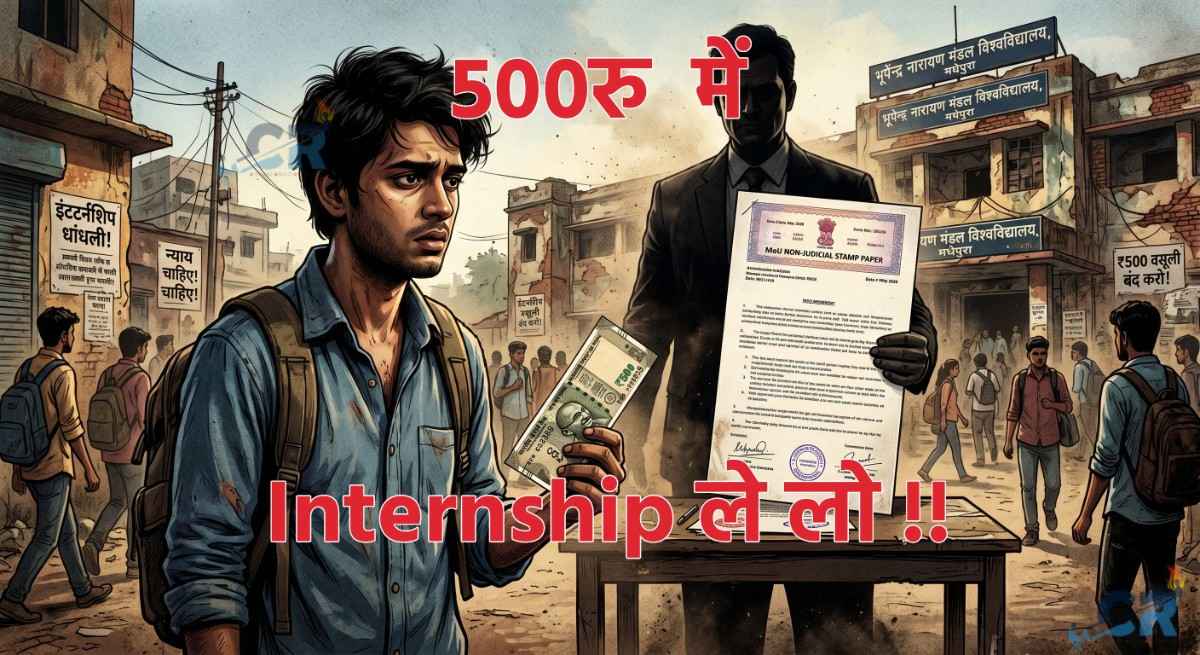
फीस पर लगाम, लेकिन लूट को कानूनी जामा – BNMU Internship Scam
-
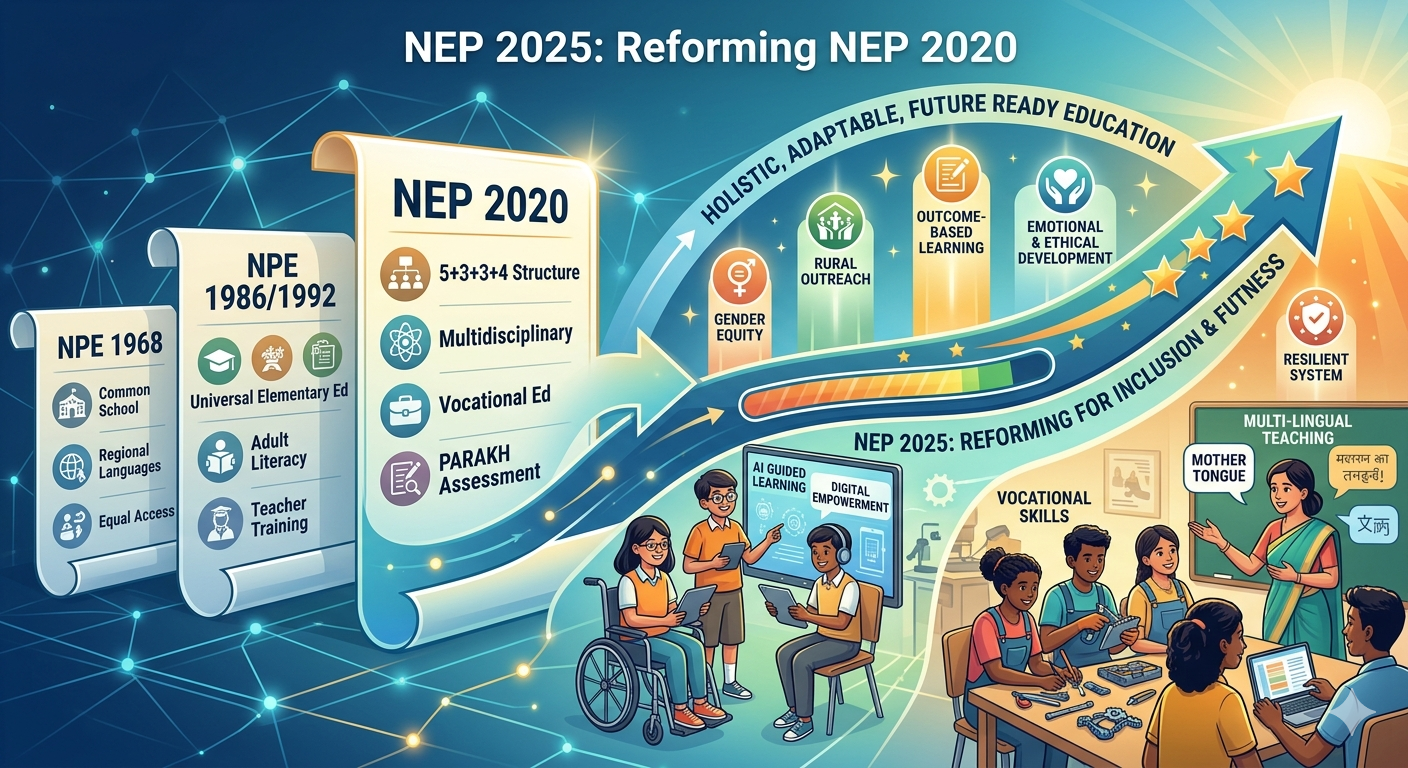
NEP 2025: Reforming NEP 2020 for an Inclusive and Future Ready Educational System


The Strategic Decision: No “Summer Break” for Exams
-
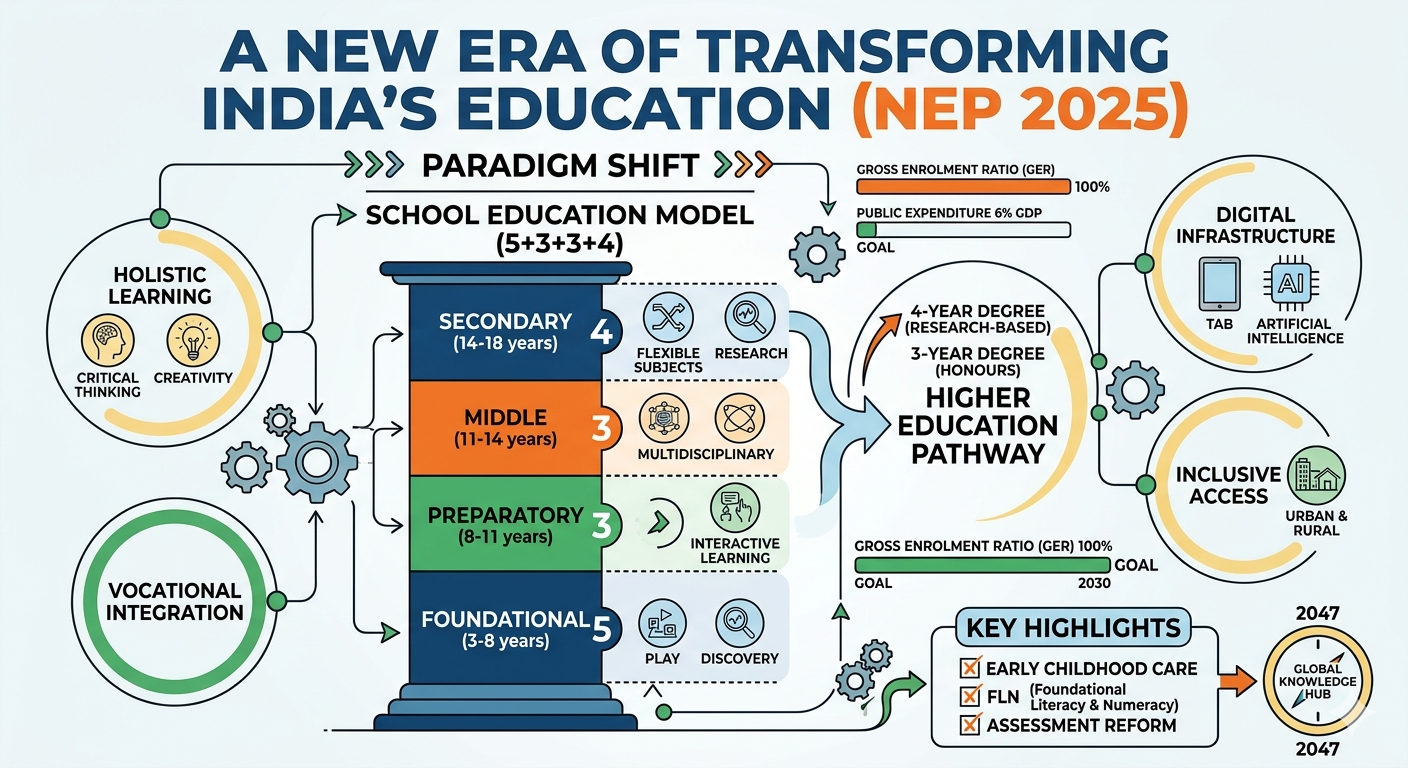
A New Era of Transforming Education: Navigating the Paradigm Shift in India’s Education Policy

Patna CISCE Results 2026: Girls Sweep Top Honors; Boys Excel in Science