Education
Critical Analysis: CBSE Class 10 Maths Paper 2026 – A Balanced Yet Polarizing Test

Published
3 months agoon

The CBSE Class 10 Maths exam, conducted on February 17, 2026, elicited mixed feedback from students and educators. While the Standard paper was largely hailed as moderate and NCERT-centric, the Basic variant surprised many with its unexpected demands, prompting debates on fairness and design.
Strengths of the Standard Paper
The Standard paper excelled in balance, featuring 45-50% straightforward questions from core chapters like Algebra, Geometry, and Trigonometry, closely aligned with previous year questions (PYQs) and sample papers. Sections A and B emphasized quick formula application, allowing well-prepared students to manage time effectively. Case-based questions in Section E effectively tested real-world application without straying too far from textbook concepts.
However, long-answer questions in Section D on topics like circles and probability challenged students needing precise step-by-step reasoning, revealing preparation gaps in conceptual understanding over rote learning.
Shortcomings in the Basic Paper
Intended as a lighter alternative, the Basic paper veered into Standard territory with lengthy MCQs, graph interpretations, and calculation-intensive problems, leaving weaker students overwhelmed. Live reactions highlighted sets like 430/2/2 as “extremely lengthy,” fueling calls for reevaluation or re-exams to ensure equity. This misalignment undermines the Basic paper’s remedial purpose, amplifying stress rather than easing it.
Detailed Section-Wise Review
| Section | Standard Notes | Basic Notes | Critical Observation |
|---|---|---|---|
| A (MCQs, 20 marks) | Easy-moderate; minor time traps | Overly lengthy | Calculation-heavy across sets |
| B (SAQs, 10 marks) | Formula-driven, accessible | Manageable but rushed | Least problematic |
| C (SAQs, 18 marks) | PYQ-inspired, moderate | Fairly balanced | Effective competency check |
| D (LAQs, 20 marks) | Tricky circles/probability | Step-demanding | Exposed depth issues |
| E (Case-based, 12 marks) | Practical, NCERT-like | Graph-heavy challenges | Strong on application |
Implications for CBSE and Students
The exam’s competency focus aligns with NEP 2020’s shift toward application-based learning, rewarding thorough practice over superficial study. Yet, the Basic-Standard divide risks eroding trust if not refined. Top Standard scorers may hit 70+, averages 50-60, while Basic outcomes could dip due to timing woes. CBSE must calibrate future papers for consistent gradients to bolster credibility.
Roahn Priyadarshi is a journalist, content creator, and video editor with a passion for storytelling across digital platforms. With a sharp eye for detail and a creative approach to multimedia production, Roahn blends journalistic integrity with compelling visuals to engage and inform audiences. Whether reporting on current events, creating impactful video content, or crafting narratives for social media, he brings a dynamic and versatile voice to every project.

You may like


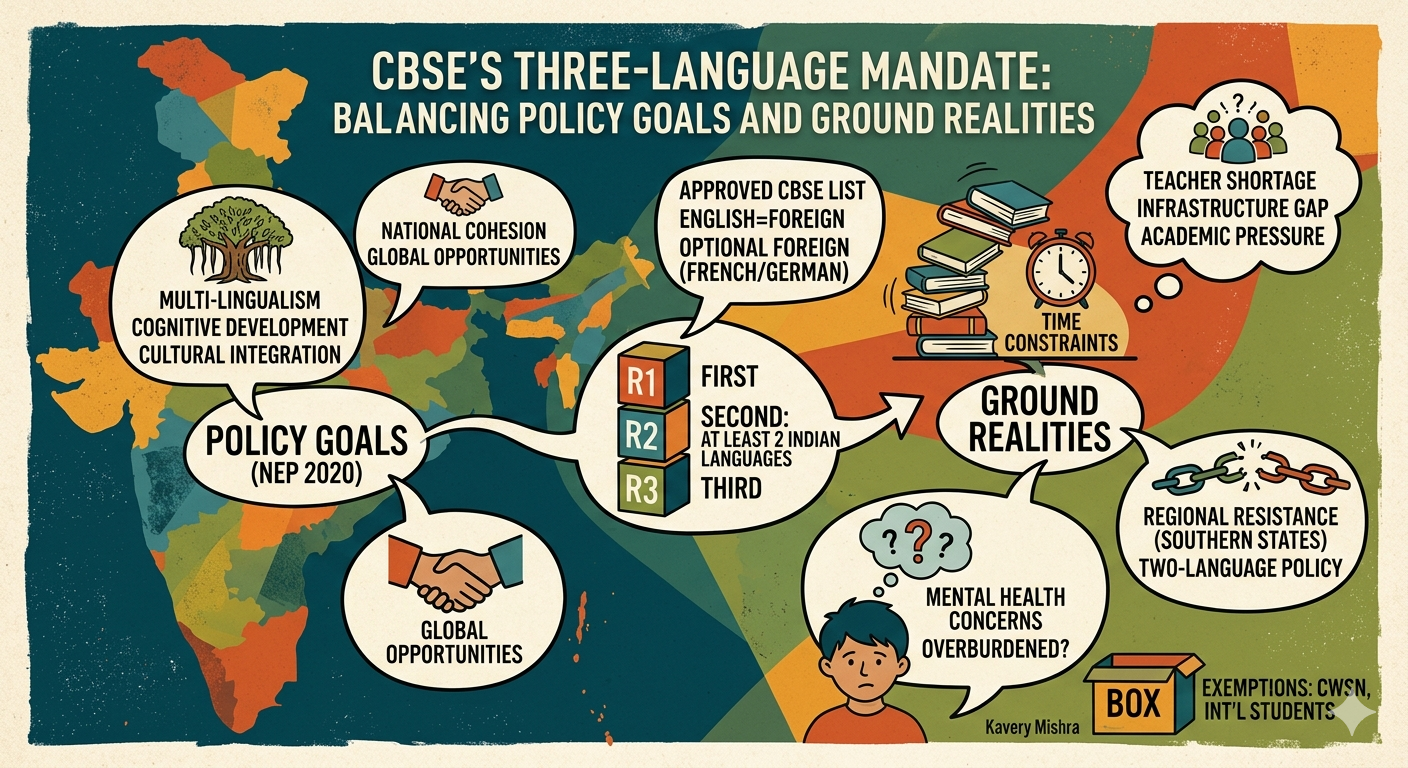
CBSE’s Three-Language Mandate: Balancing Policy Goals and Ground Realities
-
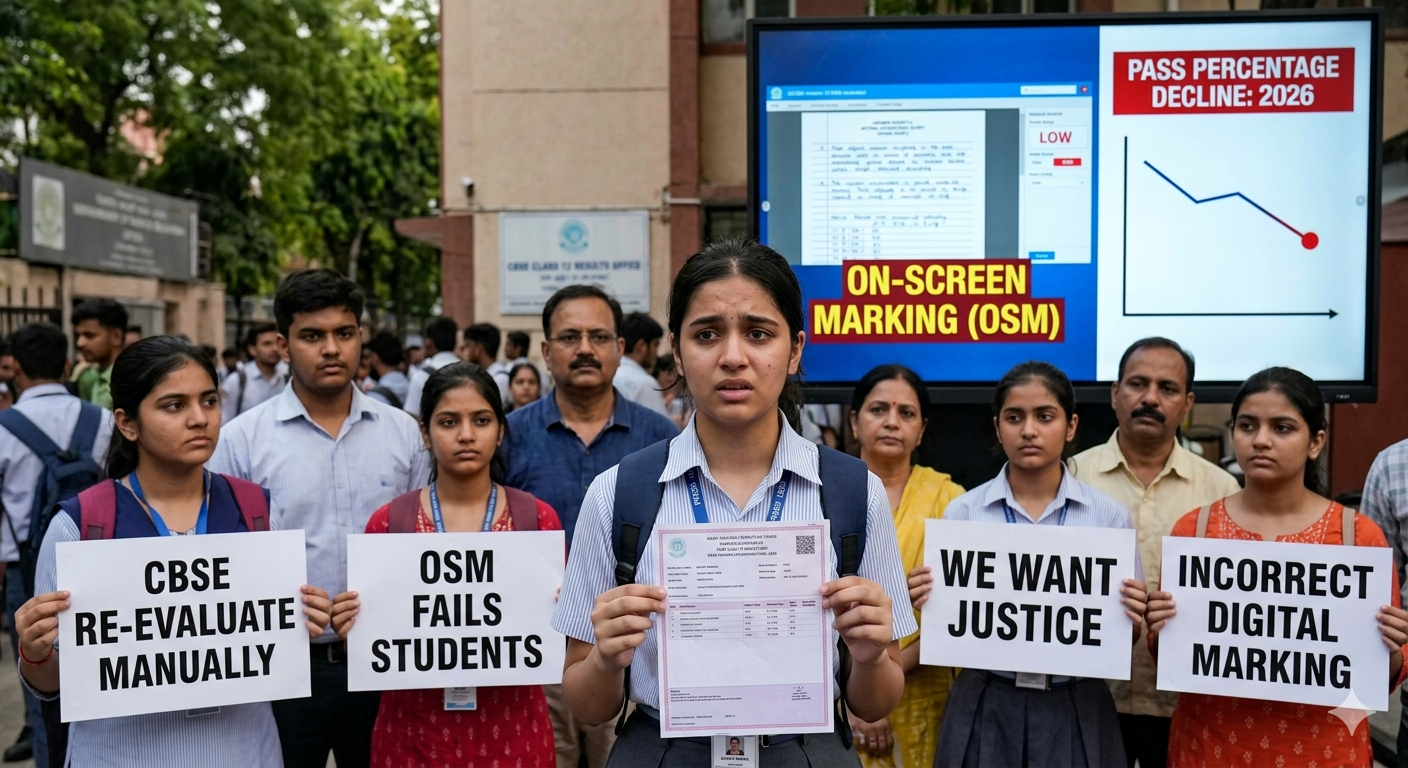
CBSE Board Re-evaluation Process: Effects on Academic Performance and Student Confidence
-
Improving Educational Outcomes through Active Stakeholder Participation in Decision-Making in CBSE


Partners in Learning: Empowering Parents and Teachers Together


Bihar CET-B.Ed. 2026 Notification Released: Exam Dates, Eligibility, and Step-by-Step Application Guide
-
CBSE Mandates Standard Infrastructure for Labs, Libraries and Sports in Schools