Education
Tamil Nadu Reimagines Classrooms: U and ‘Pa’-Shaped Seating Eliminates Backbench Culture
Published
10 months agoon

In a bold step toward inclusive and interactive learning, the Tamil Nadu School Education Department has rolled out a pilot initiative that replaces traditional classroom seating with U-shaped and “Pa”-shaped (ப) arrangements. The aim? To eliminate the concept of backbenchers and foster equal learning opportunities for all students.
Traditionally, classroom layouts have segregated students based on their seating, with those in front receiving more attention while those in the back were often overlooked. The new seating design changes this dynamic entirely — all students face the teacher, and every seat becomes a ‘front’ seat.
This innovative approach is currently being implemented in select government middle schools across the state. Inspired by similar methods in Kerala and popularized by the Malayalam film Sthanarthi Sreekuttan, the state’s education department believes the change could significantly boost student engagement, teacher-student interaction, and overall classroom participation.
The “Pa”-shaped model takes its name from the Tamil letter “ப” and is designed to envelop the teacher’s zone in a semi-circular fashion. This model is complemented by U-shaped seating in smaller or square classrooms, ensuring visibility and access for every student.
Objectives Behind the Move
- Eliminate the hierarchy of frontbenchers vs. backbenchers
- Improve eye contact between teachers and students
- Encourage interactive, discussion-based learning
- Support collaborative learning among peers
- Political Reactions & Debate
The initiative has sparked political debate. The Tamil Nadu unit of the BJP has criticized the move, calling it a “cinema-inspired” idea that distracts from core educational issues. BJP’s SG Suryah labeled it as “set-design politics,” urging the state to focus on quality teaching rather than visual gimmicks.
However, Education Minister Anbil Mahesh Poyyamozhi has defended the initiative, stating, “This reform is based on successful examples and feedback from educators. It’s a student-first policy that challenges old, ineffective structures.”
While still in the pilot phase, the success of these new layouts will be evaluated over the academic year. If found effective, the model could be expanded to more schools across Tamil Nadu, potentially becoming a national template for classroom reform.
Prachi Sharma is a dynamic journalist and anchor known for her insightful reporting and engaging on-screen presence. With a strong command over storytelling and a flair for content creation, she brings clarity and depth to every piece she presents. Prachi’s versatile skills extend beyond journalism—her ability to craft compelling written content makes her a valuable voice in the media landscape. Whether on camera or behind the scenes, she is committed to delivering impactful narratives that inform, inspire, and connect with audiences.

You may like


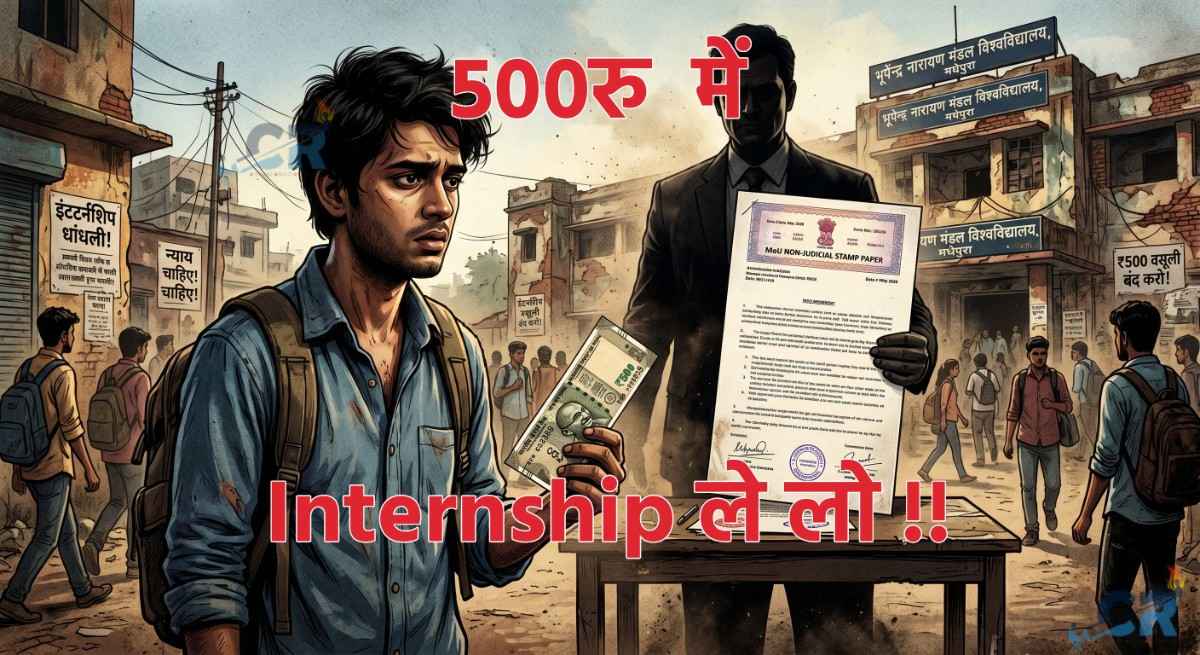
फीस पर लगाम, लेकिन लूट को कानूनी जामा – BNMU Internship Scam
-
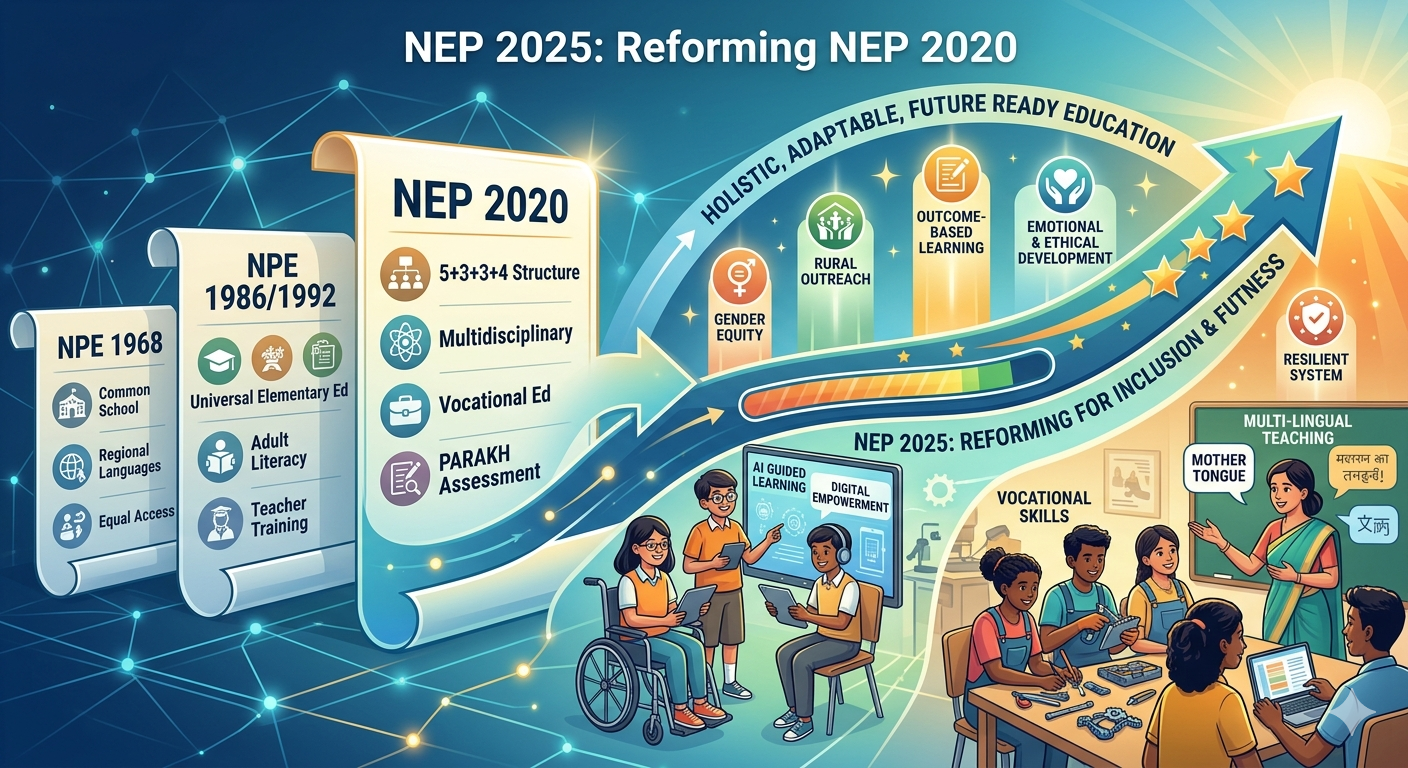
NEP 2025: Reforming NEP 2020 for an Inclusive and Future Ready Educational System


The Strategic Decision: No “Summer Break” for Exams
-
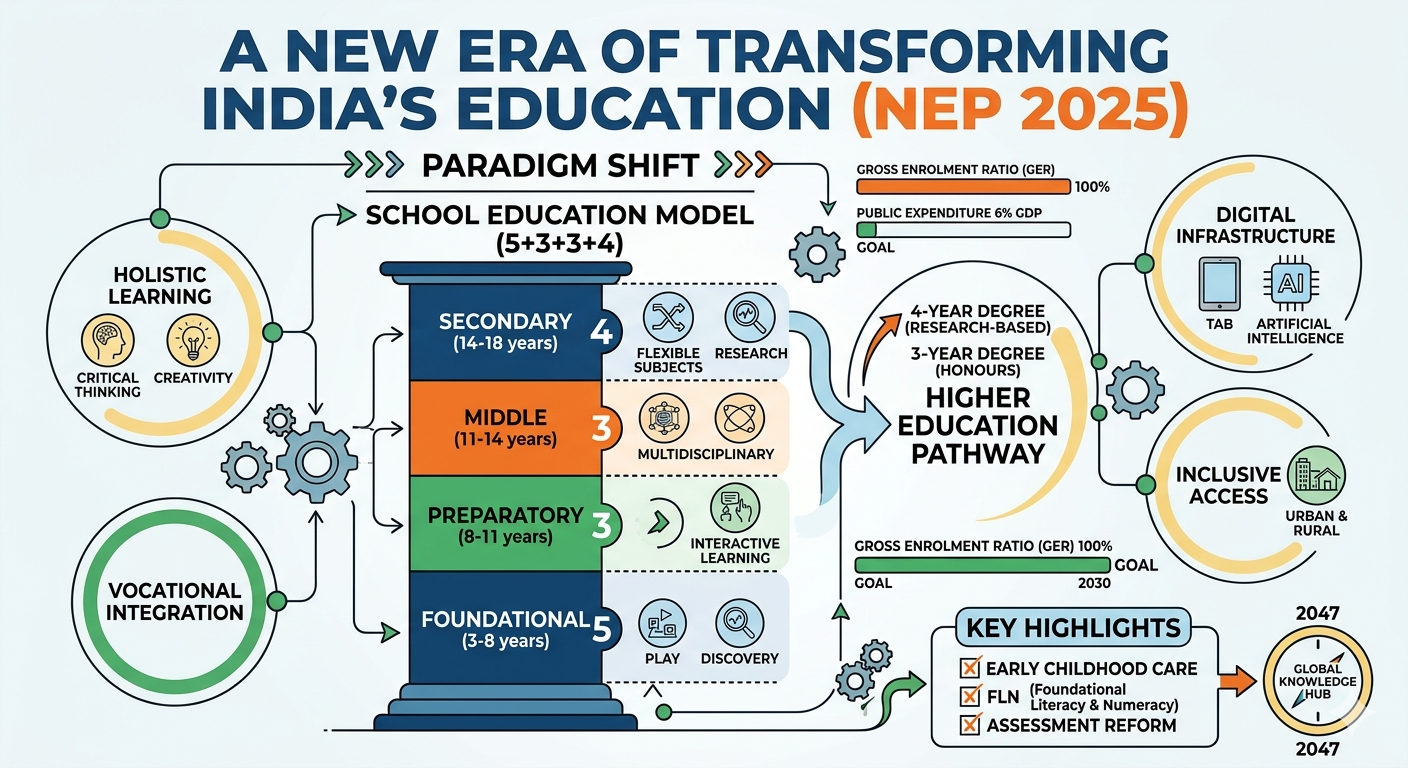
A New Era of Transforming Education: Navigating the Paradigm Shift in India’s Education Policy

Patna CISCE Results 2026: Girls Sweep Top Honors; Boys Excel in Science


डिजिटल बिहार: अब व्हाट्सएप के जरिए अभिभावकों को मिलेगी बच्चों के पोषण और शिक्षा की जानकारी