Education
The Digital India Milestone: Transforming Classrooms with NCERT’s ePathshala
Published
3 hours agoon
Authored by Trainee Reporter: Adarsh
What is ePathshala?
ePathshala is a comprehensive digital platform launched in November 2015 by the Ministry of Education (formerly MHRD), Government of India, in partnership with the National Council of Educational Research and Training (NCERT). It is developed by the Central Institute of Educational Technology (CIET).
While it originally began as a repository for digitized textbooks and multimedia, it has actively evolved to integrate Artificial Intelligence (AI) and advanced technologies to create an interactive, personalized, and future-ready learning ecosystem. It serves as a cornerstone of the Digital India campaign to bridge the digital learning divide across the nation.
Availability and Languages
It hosts educational resources for teachers, students, parents, researchers, and educators, who can access it directly from Web, or is also available on Google Play, App Store, and Windows.
The content is available in various languages such as English, Hindi, and Urdu.
Understanding NCERT and Its Constituent Units
The National Council of Educational Research and Training (NCERT) is an autonomous organization which was set up in 1961 by the Government of India to assist and advise the Central and State Governments on policies and programmes for qualitative improvement in school education.
Major Objectives of NCERT:
Undertake, promote and coordinate research in areas related to school education;
Prepare and publish model textbooks, supplementary material, newsletters, journals and develops educational kits, multimedia digital materials, etc. organise pre-service and in-service training of teachers;
Develop and disseminate innovative educational techniques and practices; collaborate and network with state educational departments, universities, NGOs and other educational institutions;
Act as a clearing house for ideas and information in matters related to school education;
Act as a nodal agency for achieving the goals of Universalisation of Elementary Education;
Act as an implementation agency for bilateral cultural exchange programmes with other countries in the field of school education;
Interact and works in collaboration with the international organizations, visiting foreign delegations and offers various training facilities to educational personnel from developing countries.
Major Constituent Units of NCERT:
The major constituent units of NCERT which are located in different regions of the country are:
Central Institute of Educational Technology (CIET)-New Delhi
National Institute of Education (NIE)-New Delhi
Pandit Sundarlal Sharma Central Institute of Vocational Education (PSSCIVE)-Bhopal
Regional Institute of Education (RIE)-Ajmer
Regional Institute of Education (RIE)-Bhopal
Regional Institute of Education (RIE)-Bhubaneswar
Regional Institute of Education (RIE)-Mysore
North-East Regional Institute of Education (NERIE)-Shillong
Core Objectives of ePathshala
Its core objective is to:
Promote Digital Inclusion: Provide equitable, inclusive, and quality lifelong learning for all demographics.
Reduce Physical Burden: Allow users to store and carry multiple textbooks electronically on a single small device.
Ensure Open Access: Deliver free, unrestricted educational resources directly to remote or rural areas.
Support Sustainable Development: Actively fulfill the United Nations’ Sustainable Development Goal (SDG) 4 for education.
Meeting the Needs of the Modern Education System
The platform was created to fulfill several primary needs in the modern education system:
Bridging the Accessibility Gap: It eliminates the reliance on physical textbooks, allowing students in remote or underserved areas to access the same study materials as those in urban centers.
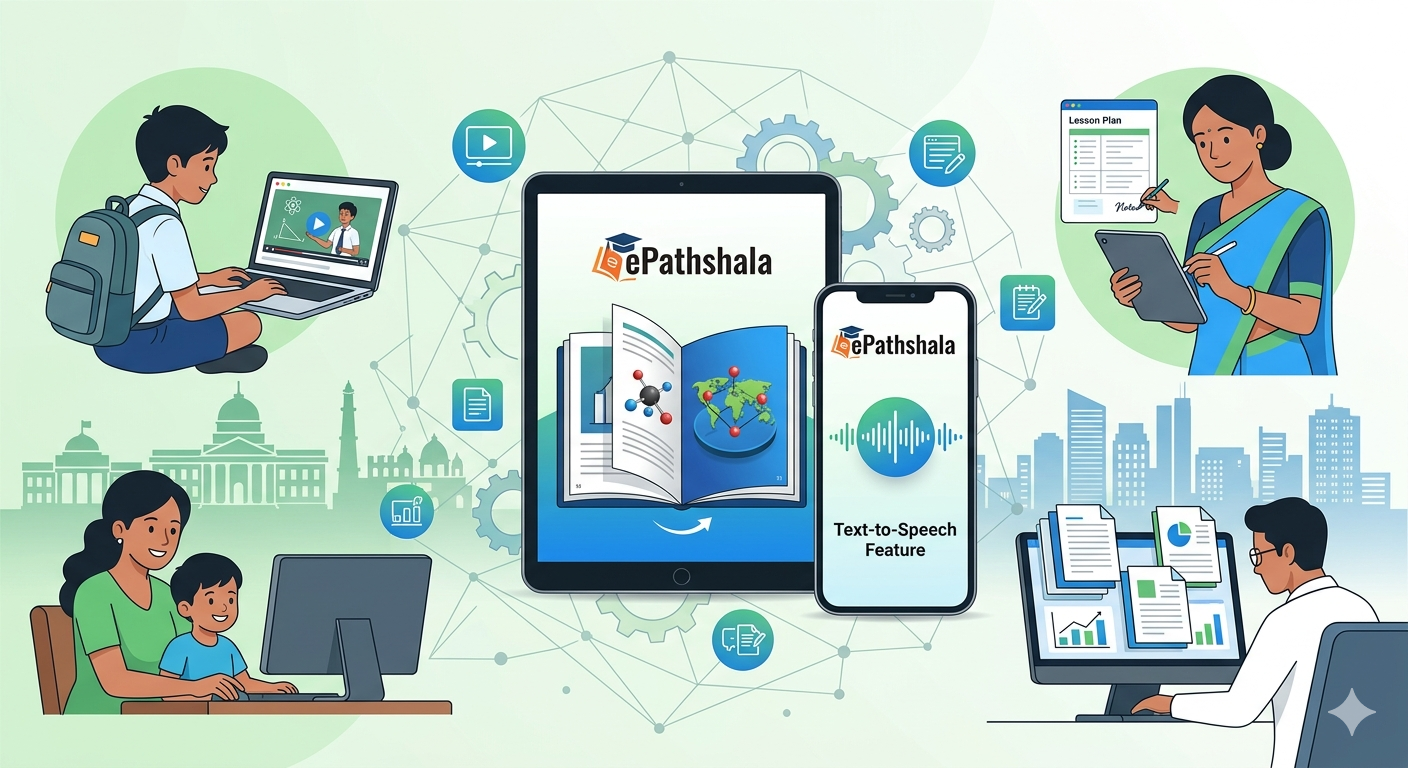
Inclusivity for Special Needs: Built-in digital tools like Text-to-Speech (TTS), zoom features, and adjustable fonts make learning significantly more accessible for students with visual impairments or learning challenges like dyslexia.
Multilingual Learning: Resources are provided in multiple languages (such as Hindi, English, and Urdu) to cater to diverse linguistic backgrounds.
Interactive and Inclusive Education: Beyond static text, it offers audio, video, flipbooks, and interactive materials. It also features accessibility tools like Text-to-Speech (TTS) and font resizing, which significantly help students with visual impairments or specific learning disabilities.
Comprehensive Resource Hub: It serves as a centralized location where not only students, but also teachers and educators, can find curricula, teaching instructions, and educational periodicals.
Tailored Interfaces for Four User Groups
The platform categorizes its interface and resources into four distinct user groups to create an inclusive academic ecosystem:
Students: Students can access digital NCERT e-textbooks for classes 1–12, supplementary reading modules, audiobooks, and interactive videos. They can also participate in national contests, exhibitions, and workshops.
Teachers: Teachers can download textbook PDFs, curricular sourcebooks, detailed teaching instructions, and specialized professional training modules.
Parents: Parents can monitor and track defined learning outcomes, review academic goals, and access creative guides to support home-based learning.
Educators & Researchers: Educators & Researchers retrieve national educational policies, committee reports, National Curriculum Frameworks (NCFs), and academic journals.
Prachi Sharma is a dynamic journalist and anchor known for her insightful reporting and engaging on-screen presence. With a strong command over storytelling and a flair for content creation, she brings clarity and depth to every piece she presents. Prachi’s versatile skills extend beyond journalism—her ability to craft compelling written content makes her a valuable voice in the media landscape. Whether on camera or behind the scenes, she is committed to delivering impactful narratives that inform, inspire, and connect with audiences.

You may like


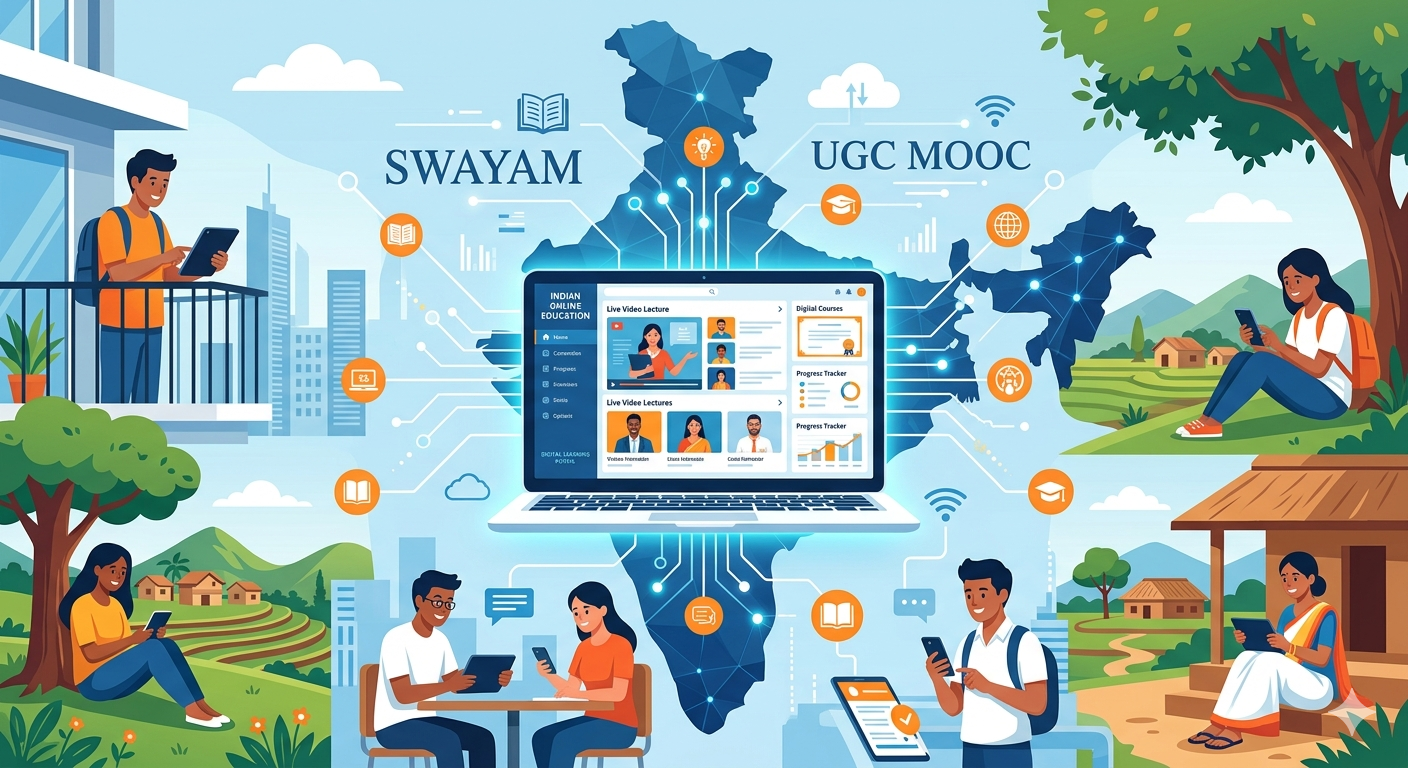
Anytime, Anyone, Anywhere: How SWAYAM and UGC MOOCs are Reshaping Learning
-
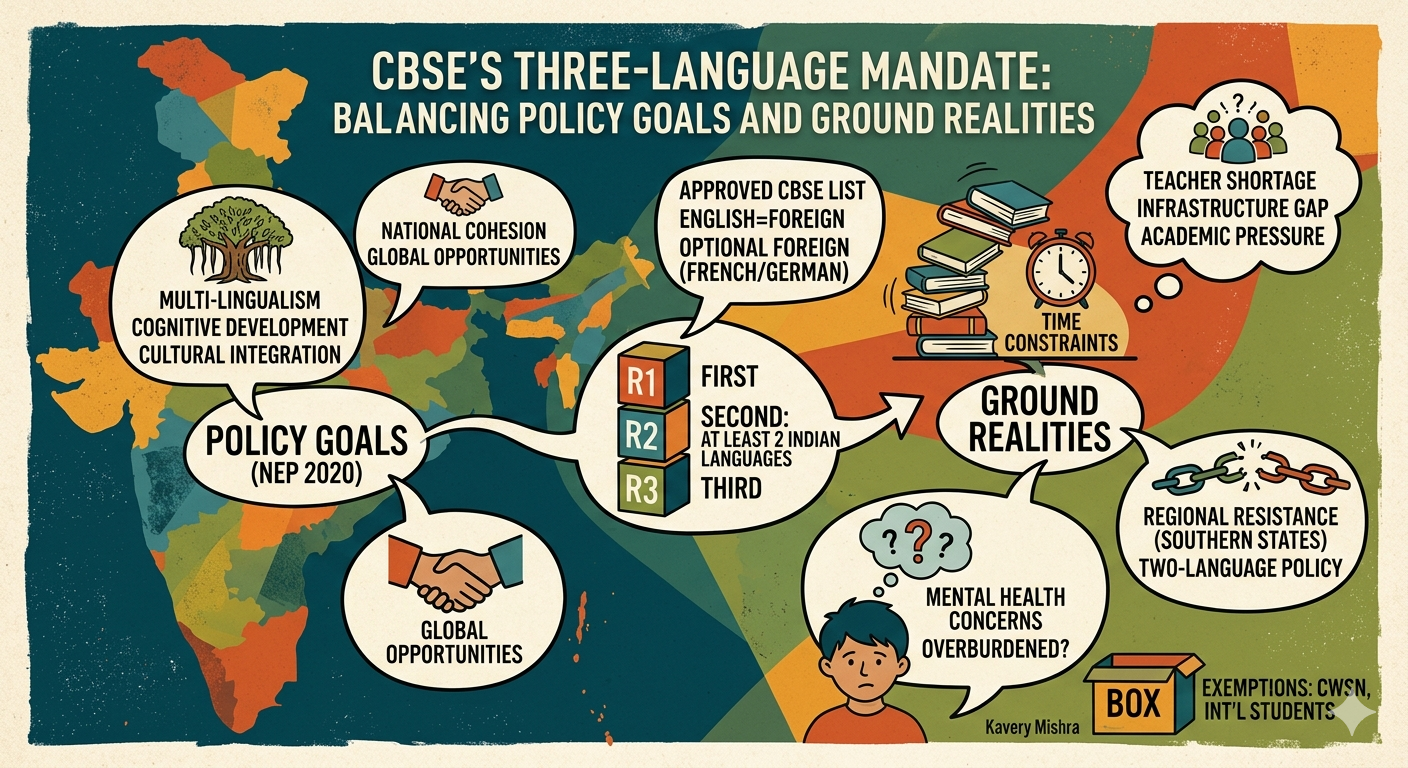
CBSE’s Three-Language Mandate: Balancing Policy Goals and Ground Realities
-
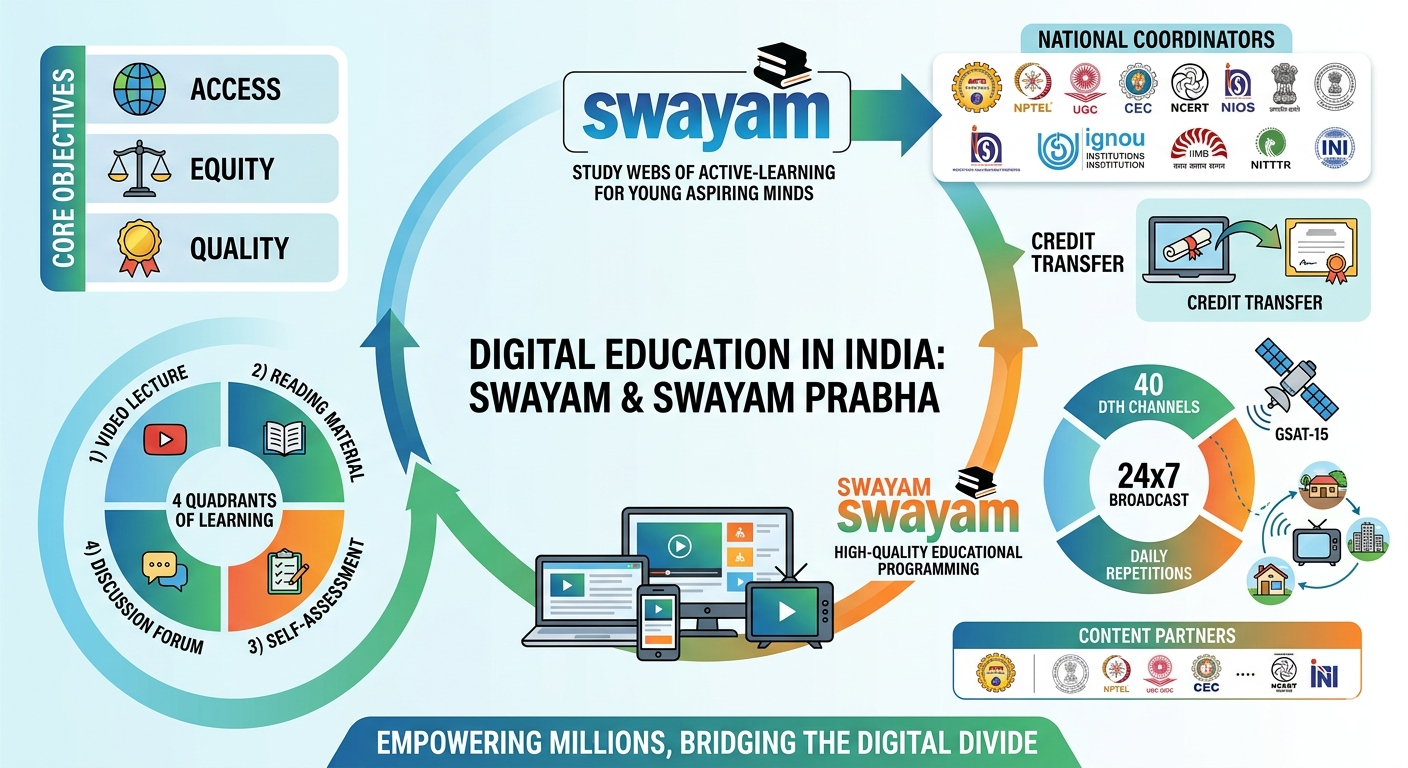
From Campus to Cloud: How SWAYAM is Democratizing Higher Education
-
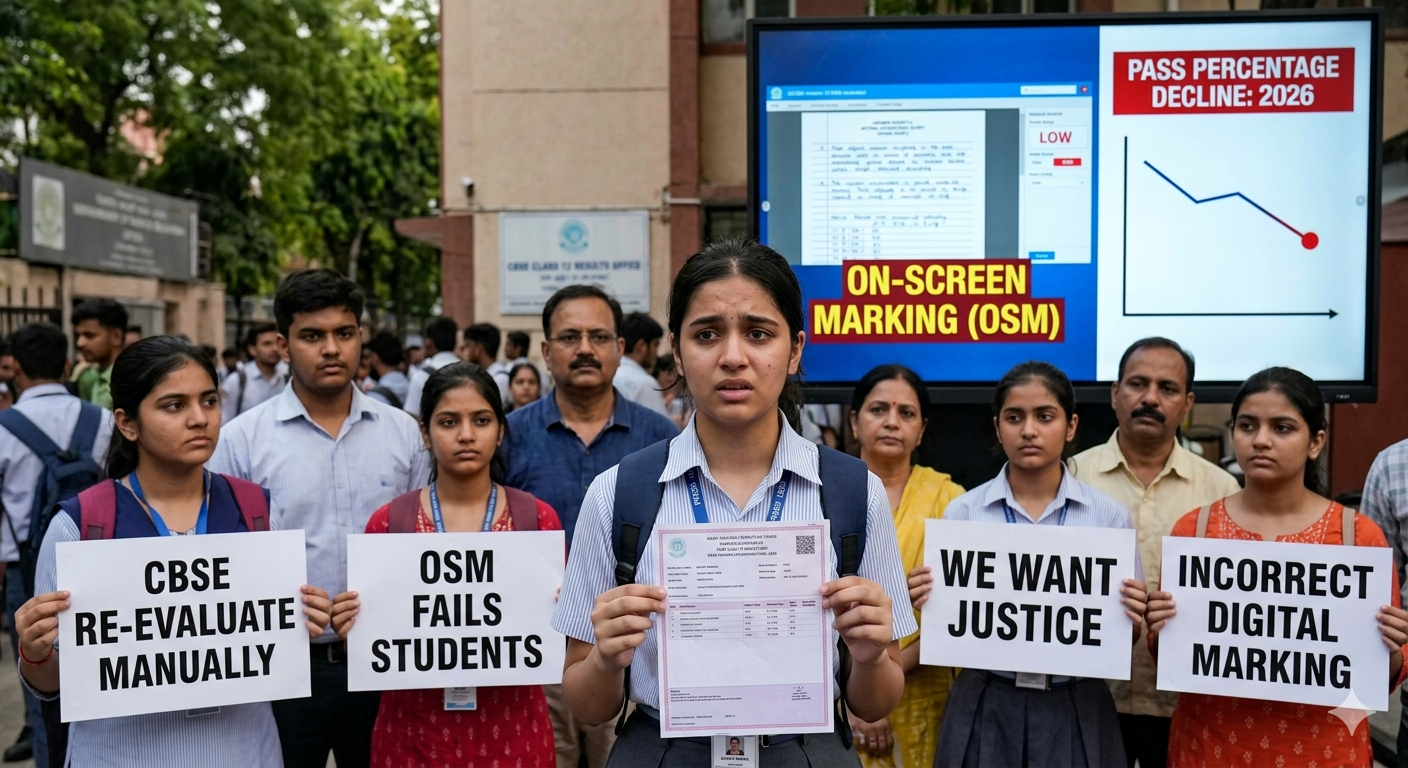
CBSE Board Re-evaluation Process: Effects on Academic Performance and Student Confidence
-
Anatomy of a Compromised Exam: From a 400-Question ‘Guess Paper’ to a Nationwide Re-Test
-
Improving Educational Outcomes through Active Stakeholder Participation in Decision-Making in CBSE